

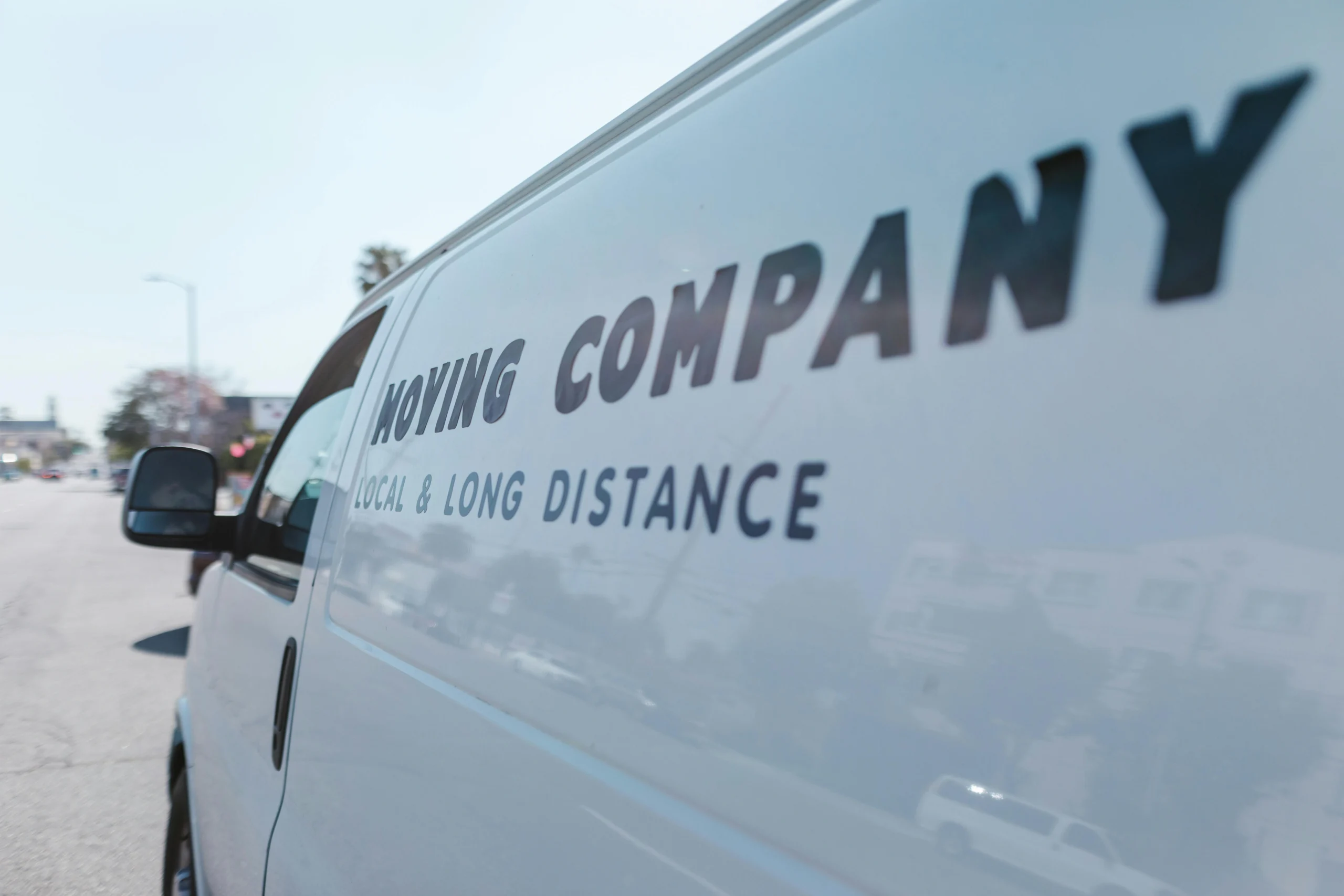
Introduction
Moving home or office is a major life event, and one of the first decisions you’ll face is whether your move is local or long-distance. While both involve packing, transport, and logistics, the planning, costs, and challenges can differ significantly.
Understanding these differences will help you prepare better, avoid unexpected expenses, and choose the right removals company for your needs.
What Is a Local Move?
A local move typically refers to a relocation within the same city or region, usually within 30–50 miles. These moves are generally completed in a single day and involve simpler logistics.
Key Features of a Local Move
- Short travel distance
- Often completed in a few hours
- Charged by the hour in many cases
- Minimal paperwork or regulations
Local moves are ideal for house moves within the same town, apartment changes, or small office relocations.
What Is a Long-Distance Move?
A long-distance move (also called a nationwide or interstate move) involves relocating beyond your local area, often over 50 miles or to a different city or region.
Key Features of a Long-Distance Move
- Travel over long distances
- May take several days to complete
- Pricing usually based on distance and load size
- Requires detailed scheduling and planning
These moves are more complex and often require professional coordination to ensure everything arrives safely and on time.
Key Differences Between Local and Long-Distance Moves
Cost Structure
Local moves are commonly charged by the hour, while long-distance moves are priced based on:
Planning and Preparation
Local moves require less advance planning, whereas long-distance moves benefit from:
- Early bookings
- Detailed inventories
- Clear delivery timelines
Timeframe
- Local moves: Same-day completion in most cases
- Long-distance moves: May take several days depending on distance and scheduling
Logistics and Coordination
Long-distance moves often involve:
- Route planning
- Overnight transport
- More complex loading and unloading schedules
Choosing the Right Removals Company
Regardless of distance, hiring a professional removals company can save time and reduce stress. However, long-distance moves especially require experienced movers with the right vehicles, insurance, and tracking systems.

What to Look For
- Proven experience with your type of move
- Transparent pricing
- Fully insured services
- Positive customer reviews
Tips for a Smooth Move (Local or Long-Distance)
- Declutter before packing to reduce costs
- Label boxes clearly by room
- Pack essentials separately
- Confirm moving dates and times in writing
- Choose a company that offers packing and unpacking services if needed
FAQs
Is a long-distance move more expensive than a local move?
Yes, long-distance moves usually cost more due to fuel, time, distance, and additional logistics involved.
How far is considered a long-distance move?
Typically, any move over 50 miles or outside your local region is considered long-distance.
Do I need insurance for my move?
Most professional removals companies provide insurance, but it’s always best to confirm coverage levels before booking.
How far in advance should I book a long-distance move?
Ideally, 4–8 weeks in advance to secure availability and allow time for proper planning.
Can the same removals company handle both types of moves?
Yes, many professional removals companies specialise in both local and long-distance relocations.
Conclusion
Whether you’re moving just down the road or across the country, understanding the differences between local and long-distance moves helps you plan effectively and avoid unnecessary stress. Local moves are quicker and simpler, while long-distance moves require careful preparation and experienced professionals.
By choosing the right removals company and planning ahead, you can ensure a smooth, efficient, and hassle-free moving experience—no matter the distance.