
Introduction
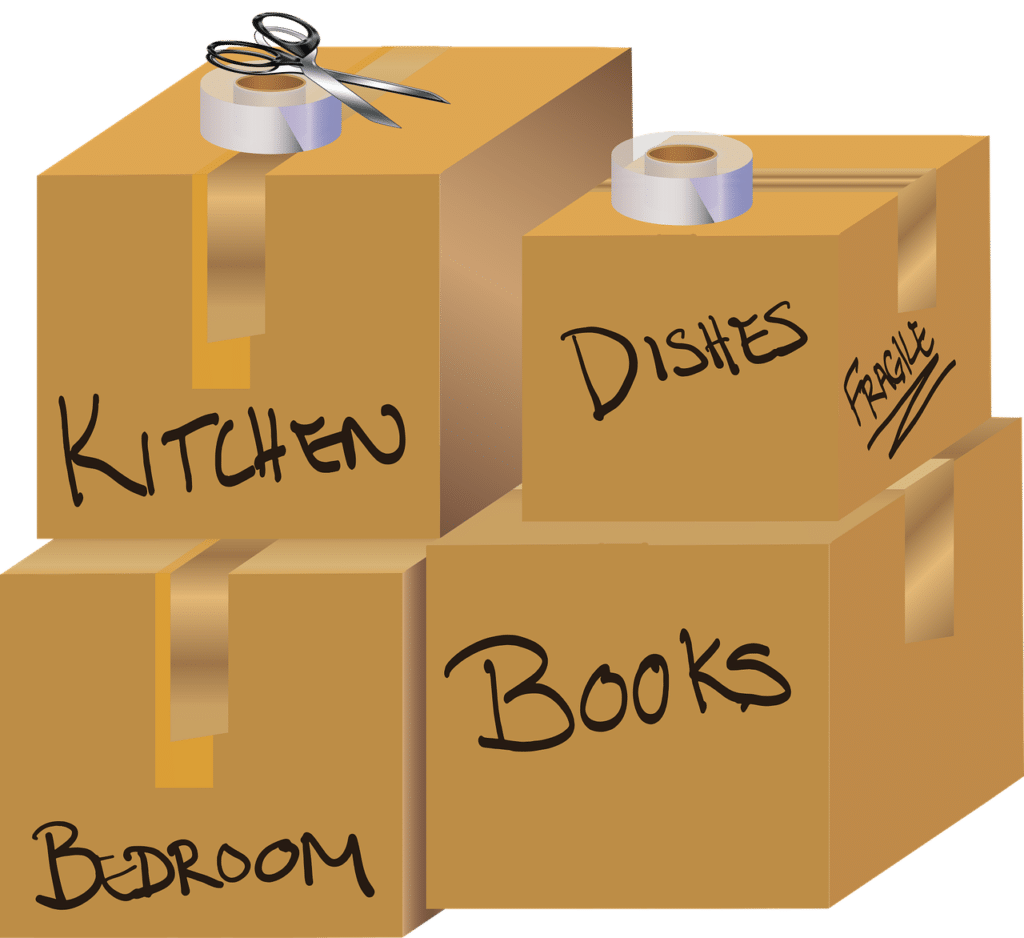
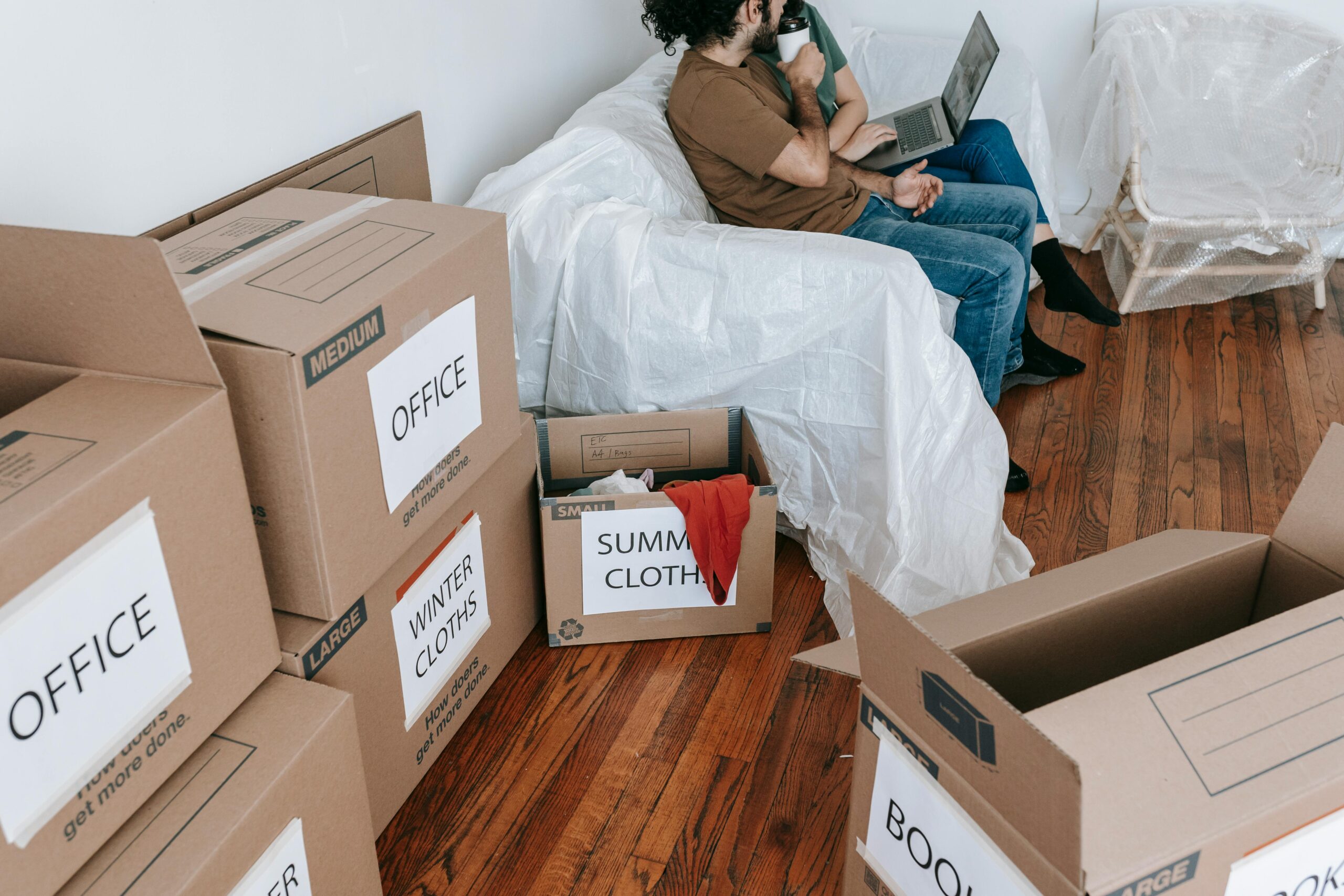
Moving can feel overwhelming, but the difference between chaos and calm often comes down to one simple habit: how you label your boxes. Smart packing and labeling tips for moving can save hours of frustration, prevent lost items, and make unpacking fast and efficient.
In this guide, you’ll learn practical, easy-to-apply labeling hacks that make a huge impact on moving day.
Why Proper Labeling Matters During a Move
Many people focus heavily on packing supplies but underestimate labeling. Clear labeling helps you:
- Locate essentials quickly
- Guide movers on where to place boxes
- Prevent fragile items from breaking
- Stay organized during unpacking
- Reduce moving-day stress
Whether you’re relocating across town or across the country, proper labeling turns a stressful move into a structured process.
Learn about the Essential Packing Materials For Move.
Use a Color-Coding System
Color-coding is one of the most effective packing and labeling tips for moving.
How it works:
- Assign each room a specific color.
- Use colored stickers, tape, or markers.
- Place a matching color label on the door of each room in your new home.
For example:
- Kitchen – Yellow
- Bedroom – Blue
- Bathroom – Green
- Living Room – Red
This simple hack allows movers (or helpers) to instantly identify where each box belongs — no questions needed.
Label More Than Just the Top
Many people label only the top of the box. But boxes are stacked, rotated, and flipped.
Best practice:
- Label at least two sides plus the top.
- Write large, clear text.
- Use waterproof markers to prevent smudging.
This ensures your labels remain visible no matter how the box is positioned.
Be Specific (Not Vague)
Avoid writing labels like:
- “Stuff”
- “Miscellaneous”
- “Bedroom items”
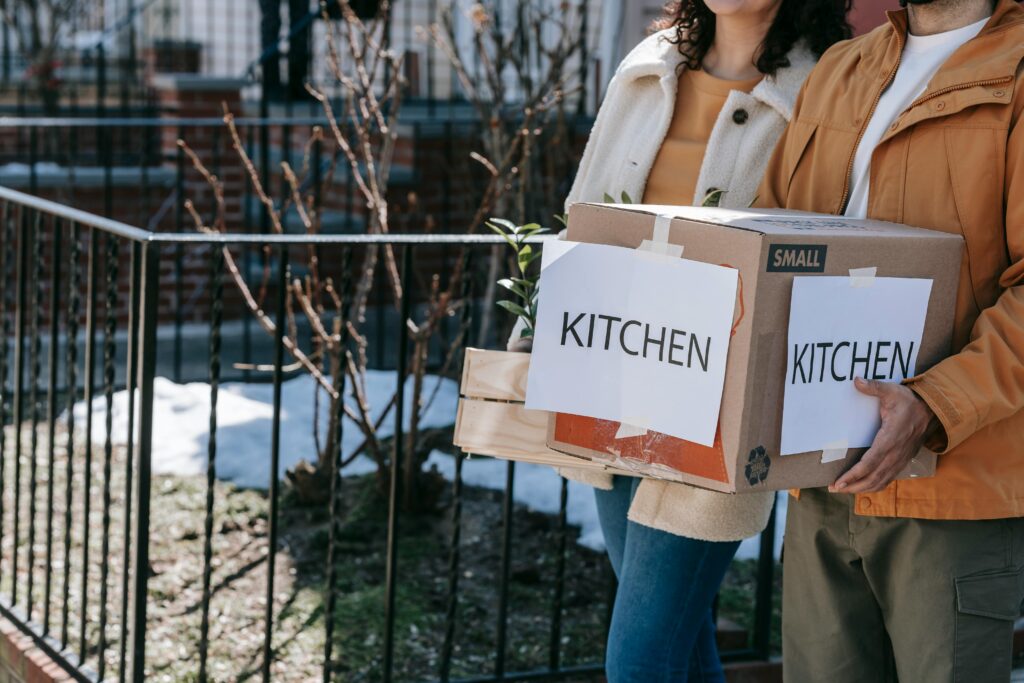
Instead, write detailed descriptions such as:
- “Master Bedroom – Winter Clothes”
- “Kitchen – Baking Tools”
- “Office – Important Documents”
Specific labels make unpacking faster and prevent you from opening multiple boxes just to find one item.
Create a Master Inventory List
For larger moves, create a numbered system.
Example:
- Box #1 – Kitchen – Pots and Pans
- Box #2 – Kitchen – Pantry Items
- Box #3 – Bedroom – Bedding
Keep a digital or printed master list. This helps you:
- Track missing boxes
- Prioritize unpacking
- Stay organized during long-distance moves
Inventory systems are especially helpful for corporate relocations and family moves.
Mark “Open First” Boxes Clearly
Every home needs essentials on day one. Pack a clearly labeled “Open First” box for each key area:
- Bathroom essentials
- Basic kitchen supplies
- Phone chargers
- Medications
- Important documents
Use bold writing or bright tape so these boxes stand out immediately.
Use Fragile and Handling Labels Strategically
Instead of writing “FRAGILE” on every box, reserve it for items that truly need careful handling. Overusing the label reduces its effectiveness.
Also add handling instructions such as:
- “This Side Up”
- “Do Not Stack”
- “Glass Inside”
Clear instructions protect your valuables and reduce damage risk.
Read more about How to Pack Fragile Items?
Keep Labels Simple and Consistent
Consistency improves efficiency. Use the same format on every box:
Room – Category – Priority Level
Example:
“Kitchen – Dishes – High Priority”
This structured format keeps your move organized from packing to unpacking.
Common Labeling Mistakes to Avoid
- Using faint ink that smudges
- Labeling only one side
- Forgetting to label at all
- Overpacking boxes and hiding labels
- Not separating essential items
Avoiding these mistakes ensures your packing and labeling strategy works smoothly.
Read more about How to Pack a Box like a Pro?
FAQs
What is the best way to label moving boxes?
The best method is labeling the top and two sides using bold permanent markers, combined with a color-coding system for each room.
Should I label boxes before or after packing?
It’s best to label boxes immediately after sealing them. This prevents confusion and ensures nothing gets forgotten.
How detailed should box labels be?
Labels should include the room and a short description of contents. Specific labels reduce unpacking time and prevent frustration.
Is color-coding really necessary?
While not mandatory, color-coding significantly speeds up the moving process, especially if you’re working with movers or helpers.
How do I track all my boxes during a move?
Use a numbered inventory list that matches box numbers with their contents and assigned rooms. This method works particularly well for large or long-distance moves.
Conclusion
When it comes to moving, small packing hacks truly make a big difference. Proper labeling saves time, reduces stress, prevents damage, and makes unpacking efficient. Instead of rushing through the process, take a few extra minutes to label your boxes clearly and consistently. You’ll thank yourself on moving day — and even more when you’re settling into your new home. If you apply these packing and labeling tips for moving, your relocation will feel less chaotic and far more organized. A smoother move starts with smarter labels.