


Introduction
Moving house is stressful enough—but relocating a fish tank adds a whole new level of complexity. Fish are sensitive to changes in environment, temperature, and water quality, so careful planning is essential. This guide walks you through how to safely move your aquarium, protect your fish, and set everything up again with minimal stress.
Why Moving a Fish Tank Is Challenging
Fish tanks are delicate ecosystems. Even small disruptions can harm your fish. The biggest challenges include:
- Maintaining water quality
- Preventing stress or injury to fish
- Protecting equipment and tank structure
- Re-establishing the nitrogen cycle
Step-by-Step Guide to Moving a Fish Tank
Prepare in Advance
Start planning at least a week before moving day:
- Stop feeding fish 24 hours before the move (reduces waste)
- Gather supplies: buckets, bags, battery-powered air pumps, nets, towels
- Save as much tank water as possible
Transfer Fish Safely
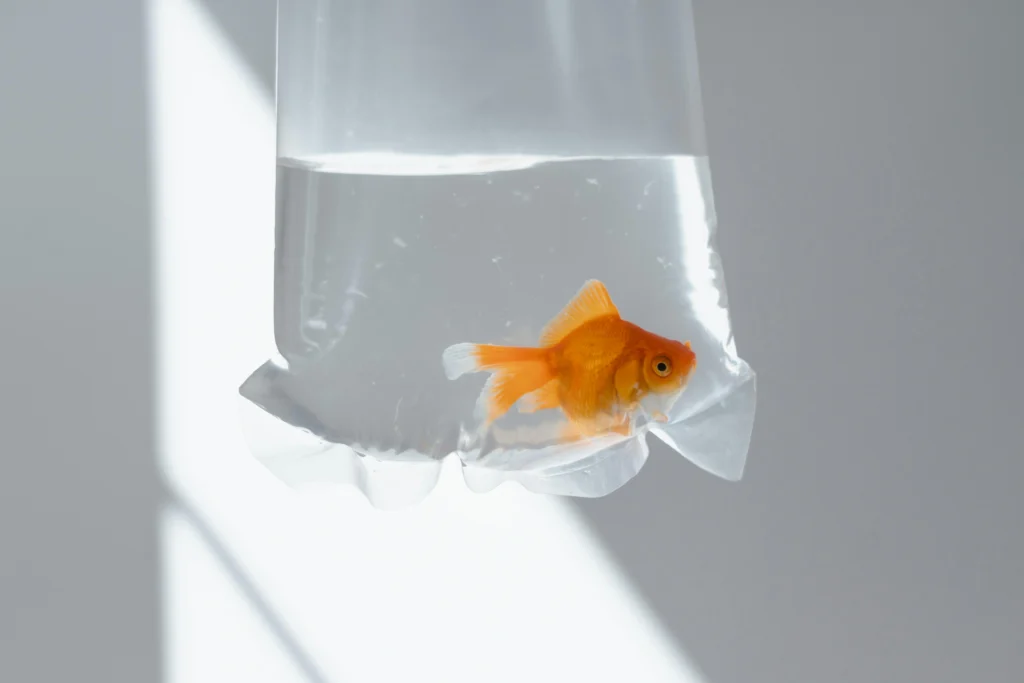
- Use fish bags or clean containers with tank water
- Avoid overcrowding—give fish enough space
- Keep water oxygenated using portable air pumps if travel is long
- Maintain temperature using insulated containers
Remove and Pack Plants
- Place live plants in bags with tank water
- Keep them damp (not dry) to prevent damage
Drain the Tank
- Save 50–70% of the original tank water if possible
- Use siphons to drain water into clean containers
- Remove substrate (gravel/sand) and store separately
Pack Equipment Carefully
- Clean and dry filters, heaters, and lights
- Keep filter media damp to preserve beneficial bacteria
- Label all components for easy reassembly
Transport the Tank
- Never move a tank with water inside—it can crack
- Wrap the tank in blankets or padding
- Keep it upright at all times
Reassemble at Your New Home
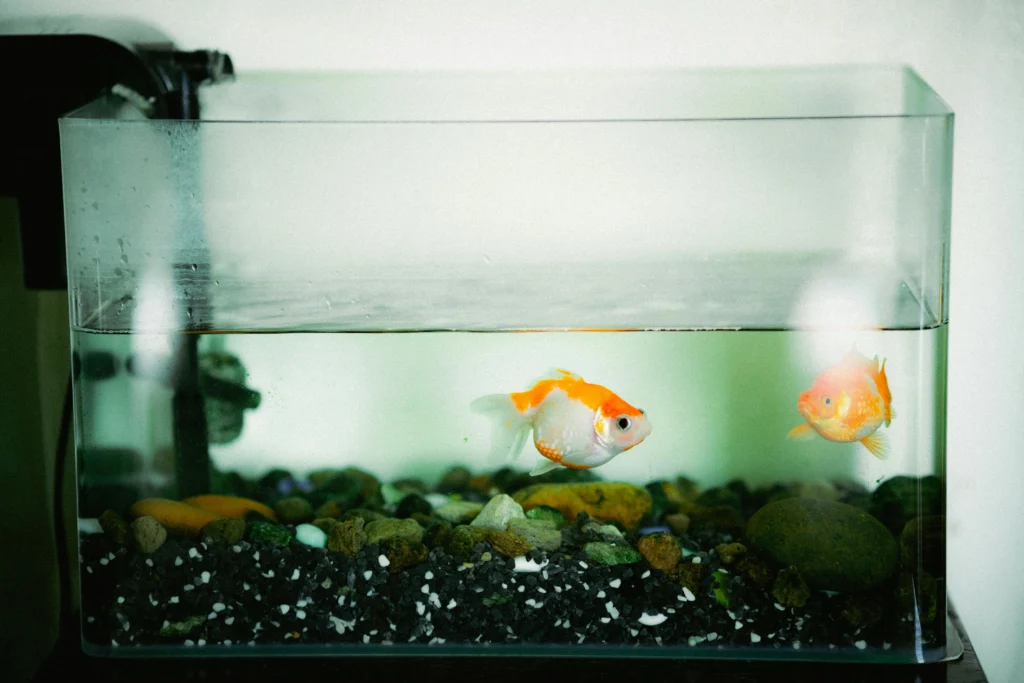
- Place tank on a stable, level surface
- Add substrate, water, and decorations
- Reinstall equipment
- Gradually acclimate fish before reintroducing them
Monitor After Setup
- Test water parameters (ammonia, nitrite, nitrate)
- Watch fish behavior closely for stress signs
- Avoid feeding heavily for the first few days
Tips for a Smooth Fish Tank Move
- Move the tank last and set it up first
- Keep fish in a dark, quiet environment during transport
- Use original tank water to reduce shock
- Avoid drastic temperature changes
Common Mistakes to Avoid
- ❌ Moving the tank while full
- ❌ Throwing away all tank water
- ❌ Letting filter media dry out
- ❌ Overfeeding before transport
- ❌ Skipping acclimation
FAQs
How long can fish stay in bags during a move?
Most fish can survive 6–12 hours in properly oxygenated bags. For longer moves, use battery-powered air pumps.
Do I need to cycle the tank again after moving?
If you preserve filter media and some original water, the cycle may remain stable—but monitor closely for spikes.
Can I move a fish tank with water in it?
No. Moving a filled tank risks cracking the glass and causing leaks.
What’s the safest way to transport fish?
Use sealed fish bags or containers with tank water, kept at a stable temperature and low light.
Should I hire professionals to move my aquarium?
For large or complex tanks, professional aquarium movers can reduce risk and stress.
Conclusion
Moving a fish tank requires patience, preparation, and attention to detail. By preserving your tank’s ecosystem, transporting fish safely, and carefully reassembling everything, you can ensure your aquatic pets stay healthy throughout the move. While it may seem daunting, following these steps will make the process far smoother—and help your fish settle quickly into their new home.