

Introduction
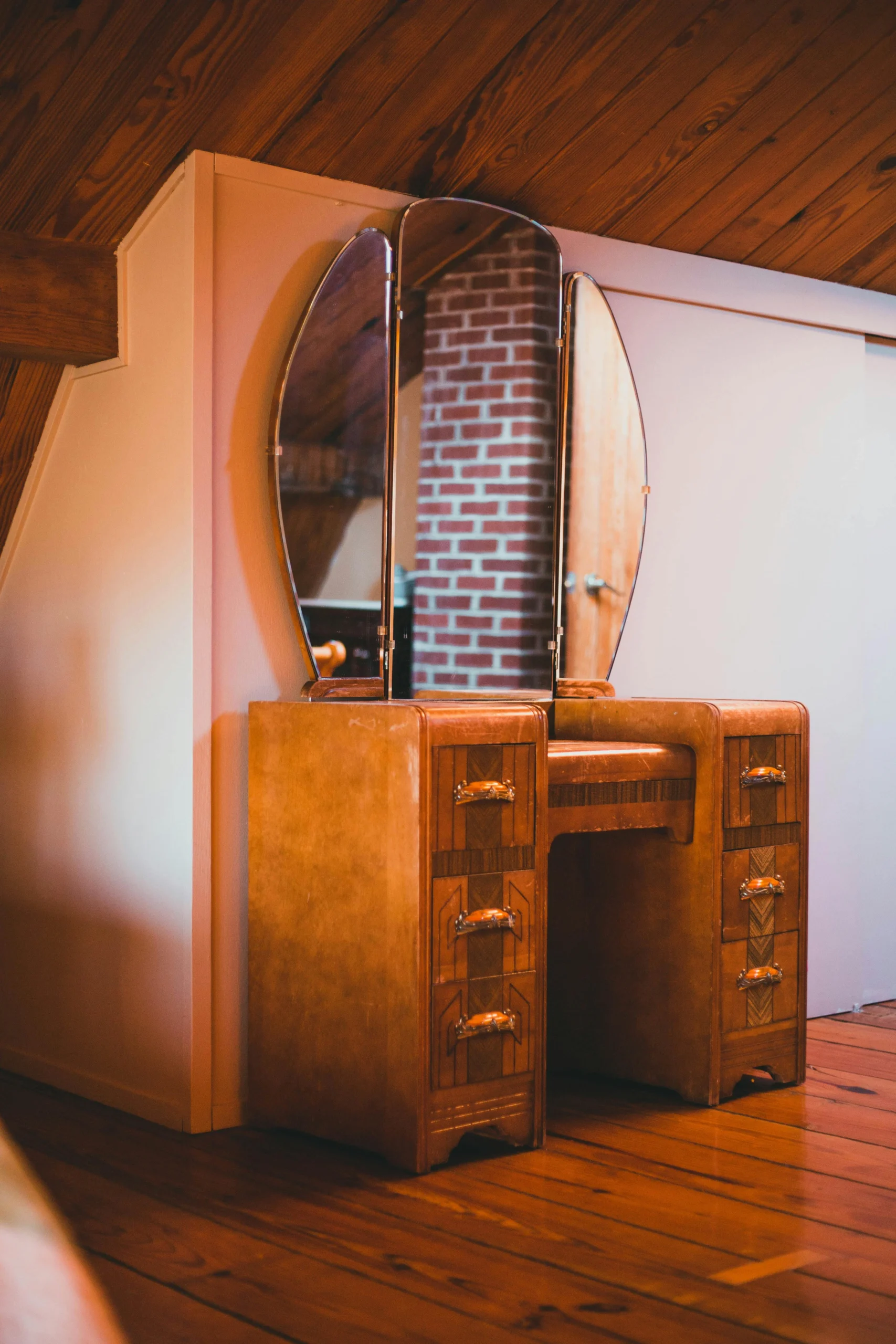
Moving a dresser may seem simple, but without the right preparation, it can quickly become difficult and risky. Dressers are often bulky, heavy, and awkward to carry, especially through tight hallways or staircases. Whether you’re relocating to a new home or rearranging furniture, knowing the proper way to move a dresser can save time, prevent injuries, and protect your furniture from damage.
In this guide, you’ll learn practical steps, useful tools, and expert tips to move a dresser safely and efficiently.
Why Proper Dresser Moving Matters
Improper lifting or dragging can:
- Damage floors and walls
- Cause back injuries
- Break dresser legs or drawers
- Scratch or dent the furniture
Using the correct moving techniques helps keep both you and your furniture safe.
Tools and Supplies You May Need
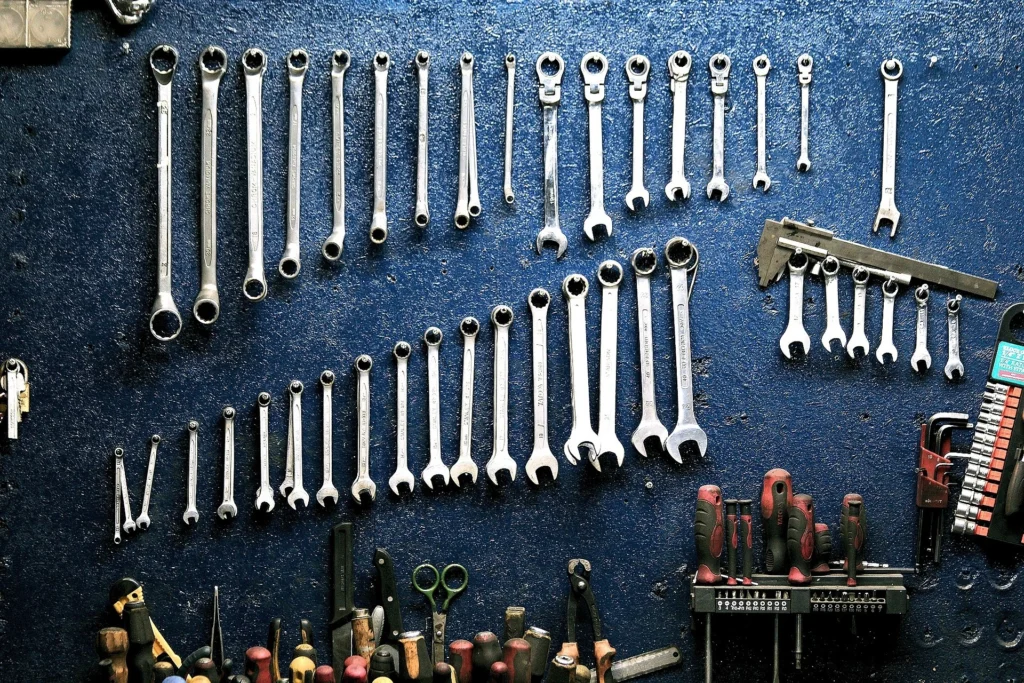
Before moving your dresser, gather these essential items:
- Moving blankets
- Furniture sliders
- Packing tape
- Stretch wrap
- Dolly or hand truck
- Rope or straps
- Screwdriver (if disassembly is needed)
- Gloves for grip and protection
Having the right equipment makes the process much easier.
Step-by-Step Guide to Moving a Dresser
Empty the Dresser
Remove all clothing, accessories, and personal items from the drawers. This reduces weight and prevents items from shifting during the move.
If the dresser is extremely heavy, remove the drawers completely.
Tip: Keep screws and small hardware in labeled plastic bags if you disassemble any parts.
Secure the Drawers
If you choose to leave the drawers inside:
- Use stretch wrap around the dresser
- Or secure drawers with moving straps
Avoid using tape directly on wood surfaces because it can damage the finish.
Protect the Furniture
Wrap the dresser with moving blankets or padded covers to protect it from scratches and dents.
Secure the blankets with stretch wrap or straps.
Measure Doorways and Hallways
Before lifting the dresser, measure:
- Doorways
- Staircases
- Elevators
- Hallways
This helps avoid getting stuck during the move.
Use Proper Lifting Techniques
When lifting:
- Bend your knees, not your back
- Keep the dresser close to your body
- Lift slowly and evenly
- Avoid twisting while carrying
For large dressers, always use two people.
Use Furniture Sliders or a Dolly
Furniture Sliders
Place sliders underneath the legs to glide the dresser across floors without scratching surfaces.
Dolly or Hand Truck
For heavier dressers, tilt the furniture carefully and secure it to a dolly with straps.
This reduces physical strain and improves stability.
Loading Into a Moving Truck
When placing the dresser in a truck:
- Position it upright whenever possible
- Place heavier furniture against walls
- Secure it with moving straps
- Avoid stacking heavy items on top
This minimizes shifting during transport.
Tips for Moving a Dresser Upstairs or Downstairs
Stairs can be challenging when moving large furniture.
Safety Tips:
- Have one person guide from above and another support below
- Move slowly one step at a time
- Keep clear communication throughout the process
- Use lifting straps for better weight distribution
If the dresser is extremely large or antique, consider hiring professional movers.
When to Hire Professional Movers
You may want professional help if:
- The dresser is antique or valuable
- You’re moving long-distance
- There are multiple flights of stairs
- The furniture is oversized or extremely heavy
Professional movers have specialized equipment and experience for difficult moves.

FAQs
Can you move a dresser with clothes inside?
It’s possible for small moves, but it’s safer to empty the dresser to reduce weight and prevent damage.
What is the easiest way to move a heavy dresser?
Using a furniture dolly and sliders is the easiest and safest method.
Should dresser drawers be removed before moving?
Yes, especially for heavy or large dressers. Removing drawers reduces weight and makes carrying easier.
How do you protect a dresser during a move?
Wrap it with moving blankets and secure them using stretch wrap or straps.
Can one person move a dresser alone?
Small dressers may be manageable, but large dressers usually require at least two people.
Conclusion
Moving a dresser doesn’t have to be stressful when you follow the right steps. By emptying the drawers, protecting the furniture, using proper lifting techniques, and utilizing moving tools like dollies and sliders, you can move your dresser safely and efficiently. Whether you’re relocating across town or simply rearranging a room, preparation and caution are key. If the dresser is especially large or valuable, hiring professional movers may be the safest option.