

Introduction
Moving a BBQ grill may seem straightforward, but improper handling can lead to injuries, property damage, or costly repairs. Whether you’re relocating to a new home, rearranging your backyard, or transporting a grill for an outdoor event, taking the right precautions is essential. This guide explains how to move a BBQ safely, protect your investment, and ensure it’s ready to use at its new location.
Why Proper BBQ Moving Matters
BBQ grills are often bulky, heavy, and contain delicate components such as burners, ignition systems, and gas connections. Moving them incorrectly can result in:
- Damaged grill parts
- Gas leaks from disconnected propane systems
- Scratches to floors and walls
- Personal injuries from lifting heavy equipment
Following a systematic moving process helps avoid these risks.
Step 1: Clean the BBQ Thoroughly
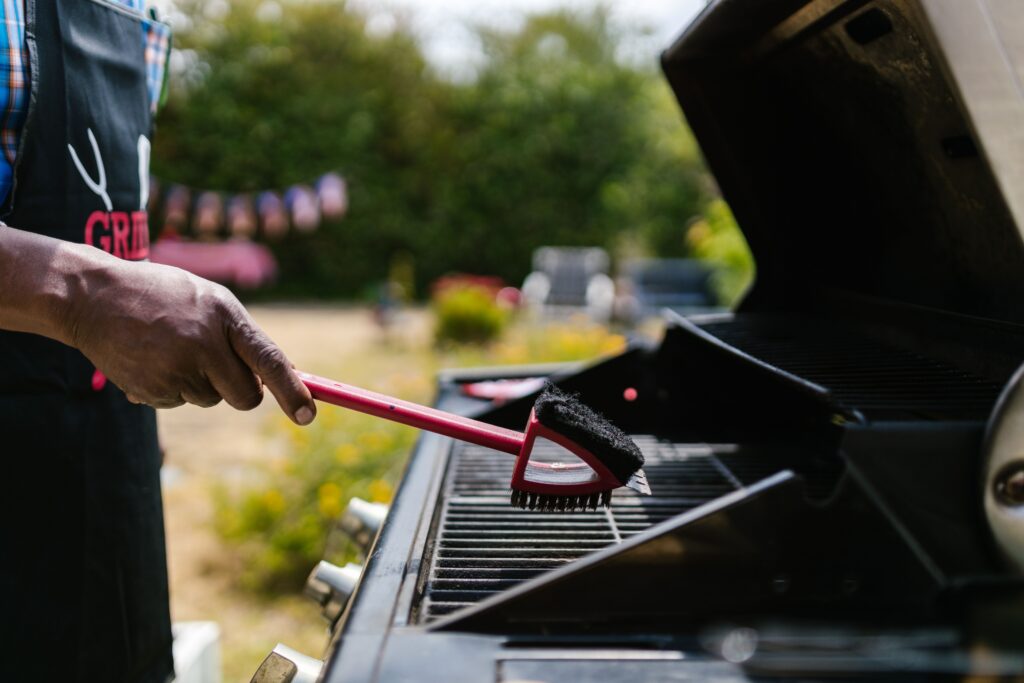
Before moving your BBQ, remove all food residue, grease, and ash.
Cleaning Checklist:
- Scrape cooking grates
- Empty grease trays
- Remove ash from charcoal grills
- Wipe down exterior surfaces
A clean grill is lighter, safer to transport, and less likely to attract pests during storage or transit.
Step 2: Disconnect Fuel Sources
Gas BBQs:
- Turn off the propane tank valve completely.
- Disconnect the propane tank from the grill.
- Remove the tank and transport it separately according to local regulations.
Natural Gas BBQs:
- Shut off the gas supply.
- Disconnect the gas line carefully.
- Consider hiring a professional if you’re unsure about gas connections.
Charcoal BBQs:
- Dispose of ashes safely.
- Ensure all charcoal is extinguished and removed.
Step 3: Remove Loose Components
Take off any detachable parts to reduce weight and prevent damage.
Items to remove include:
- Cooking grates
- Warming racks
- Side shelves
- Drip trays
- Thermometers (if removable)
Wrap these components individually with moving blankets, towels, or bubble wrap.
Step 4: Secure the Lid and Doors
Use moving straps, bungee cords, or strong tape to keep lids, doors, and side compartments closed during transport.
This prevents unexpected opening and protects hinges from damage.
Step 5: Use Proper Lifting Techniques
Many BBQ grills weigh between 50 and 300 pounds or more.
Safe Lifting Tips:
- Lift with your legs, not your back.
- Keep the grill close to your body.
- Avoid twisting while carrying.
- Use two or more people for heavy models.
For larger grills, consider using a furniture dolly or hand truck.
Step 6: Protect the BBQ During Transport
Whether moving across the yard or across town, protecting the grill is important.
Recommended Protection:
- Moving blankets
- Bubble wrap
- Ratchet straps
- Protective corner padding
If transporting in a truck or trailer:
- Avoid stacking heavy items on top of the grill.
- Position the BBQ upright whenever possible.
- Secure it firmly to prevent shifting.
Step 7: Load and Transport Carefully
When loading the BBQ:
- Use a ramp if available.
- Roll the grill instead of carrying it whenever possible.
- Keep the grill balanced during loading.
- Secure it using tie-down straps.
Drive carefully and avoid sudden braking or sharp turns that could shift the load.
Step 8: Reassemble and Inspect
Once the BBQ reaches its destination:
- Reinstall removed components.
- Reconnect fuel systems properly.
- Check for loose bolts or damaged parts.
- Test ignition systems.
- Inspect gas connections for leaks before use.
For propane grills, perform a leak test using soapy water on all connections.

Common Mistakes to Avoid
Moving with the Propane Tank Attached
Always remove the tank before transportation to reduce safety risks.
Skipping Cleaning
Grease buildup can spill during transport and create a mess.
Lifting Alone
Heavy grills often require multiple people or moving equipment.
Not Securing the Lid
An unsecured lid can open unexpectedly and cause damage.
Ignoring Manufacturer Instructions
Always check the owner’s manual for model-specific moving recommendations.
When to Hire Professional Movers
Professional movers may be the best option if:
- The BBQ is built into an outdoor kitchen.
- The grill is exceptionally heavy.
- You need long-distance transportation.
- The grill includes natural gas connections.
- Stairs or difficult access points are involved.
Experienced movers have the equipment and expertise to transport large outdoor cooking equipment safely.
FAQs
Can I move a BBQ grill with the propane tank attached?
No. Propane tanks should always be disconnected and transported separately according to local safety regulations.
How heavy is a typical BBQ grill?
Portable grills may weigh under 50 pounds, while premium or built-in models can exceed 300 pounds.
Should I disassemble my BBQ before moving?
Removing loose and detachable components is recommended to reduce weight and prevent damage.
Conclusion
Moving a BBQ grill safely requires careful preparation, proper lifting techniques, and secure transportation. By cleaning the grill, disconnecting fuel sources, removing loose components, and using the right moving equipment, you can protect both the BBQ and yourself from unnecessary damage or injury. Whether you’re moving it across the backyard or to a new home, taking the time to follow these steps will ensure your grill arrives safely and remains ready for your next barbecue.