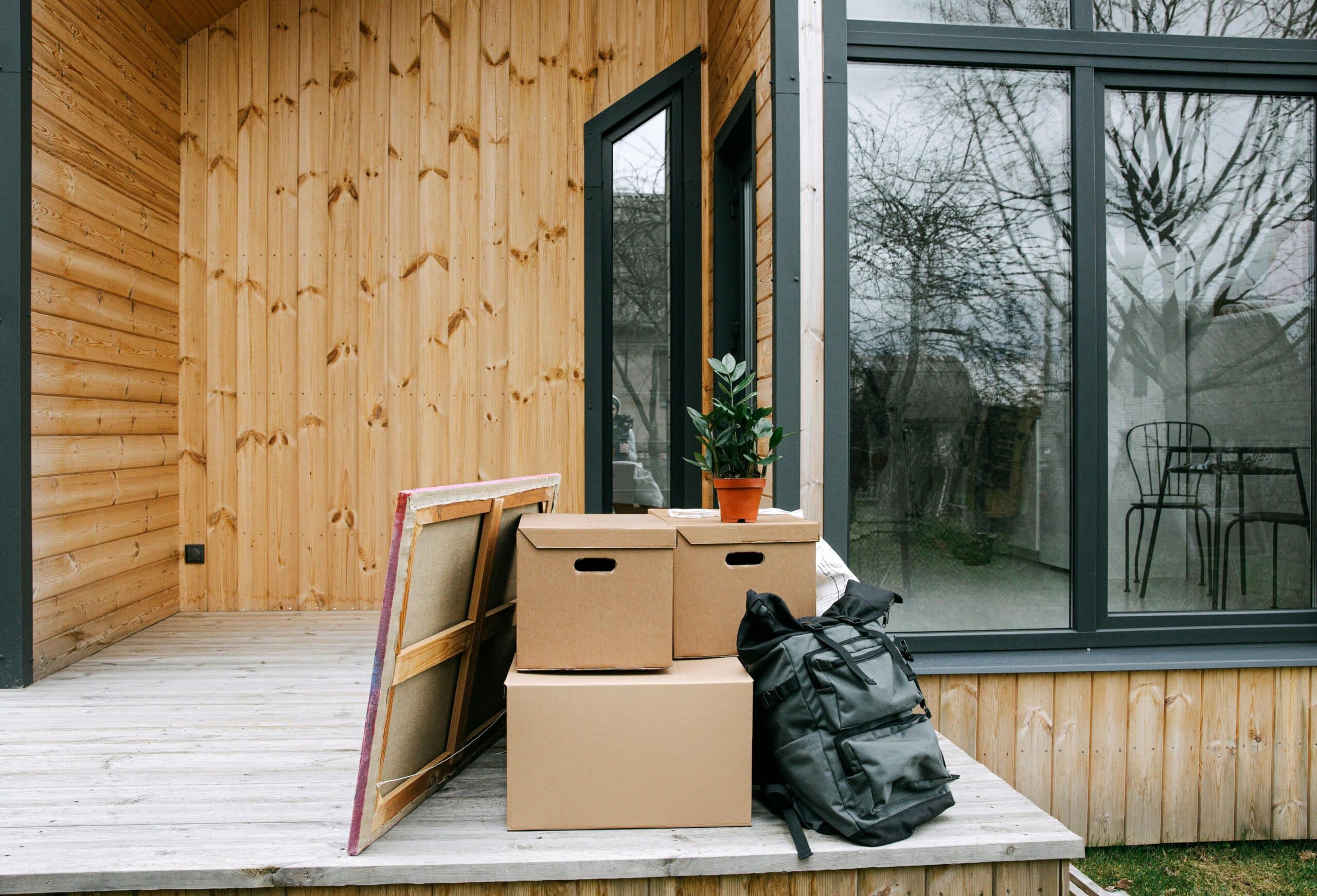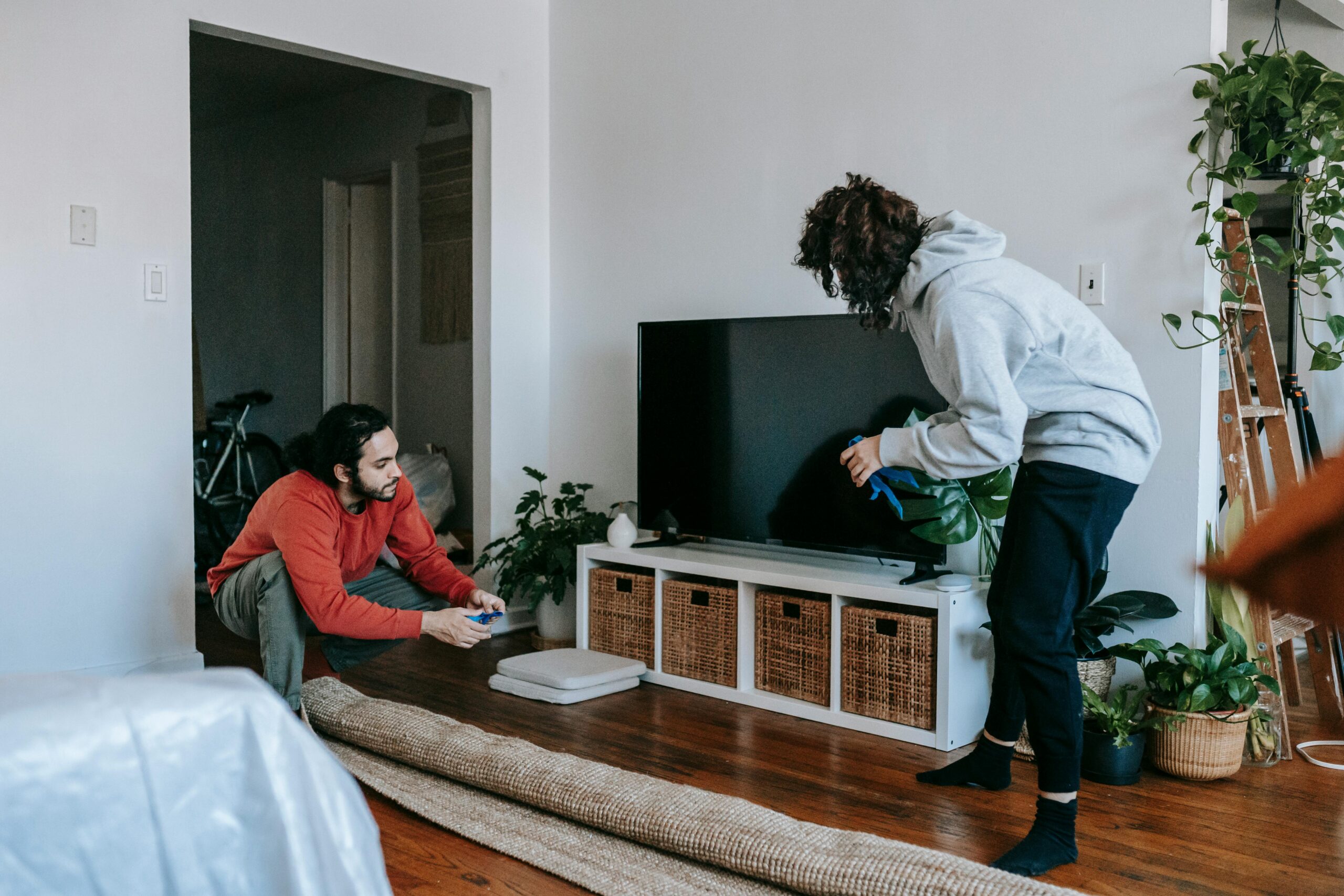

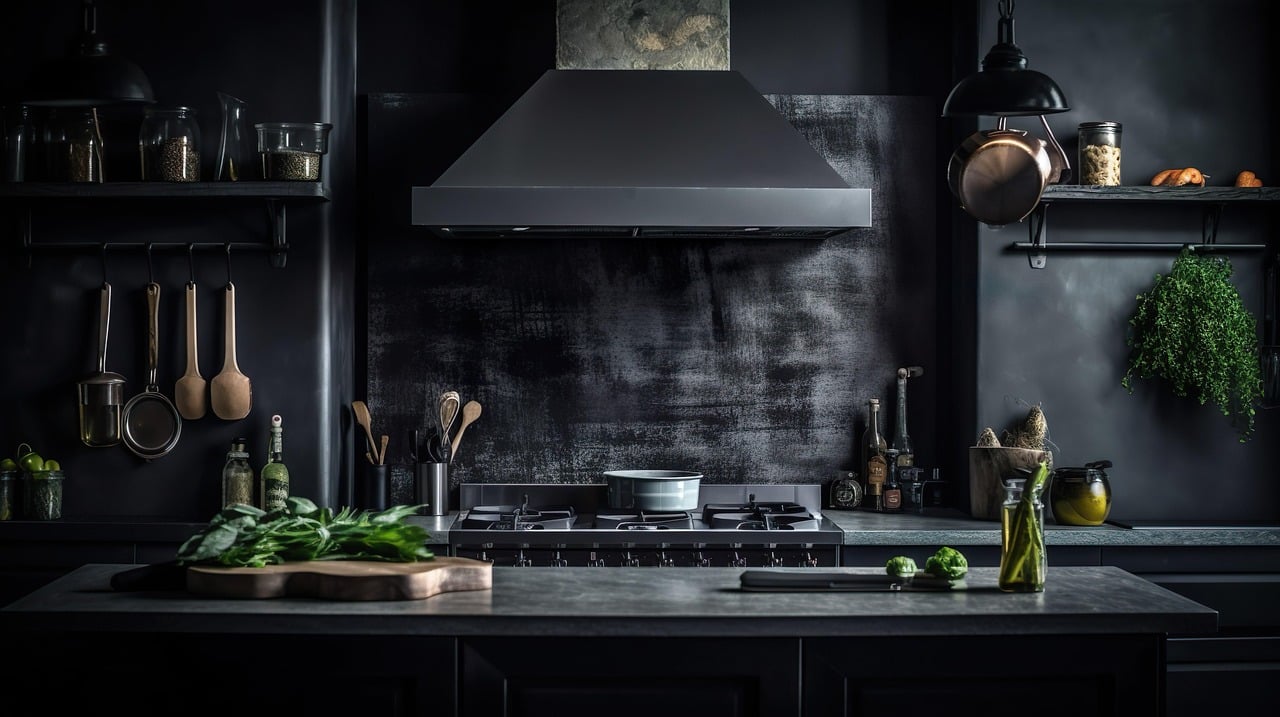
Moving home can be stressful, and large kitchen appliances like cookers often cause the most confusion. Whether you have a gas cooker or an electric cooker, moving it safely requires proper preparation, the right tools, and attention to safety regulations. This guide explains how to move a cooker safely during a house move, step by step, while avoiding damage, injury, or legal issues.
Why Moving a Cooker Requires Special Care
Cookers are heavy, bulky, and often connected directly to gas or electrical systems. Incorrect disconnection or handling can lead to:
- Gas leaks
- Electrical hazards
- Appliance damage
- Voided warranties
- Injury during lifting
Because of this, moving a cooker is not the same as moving standard furniture.
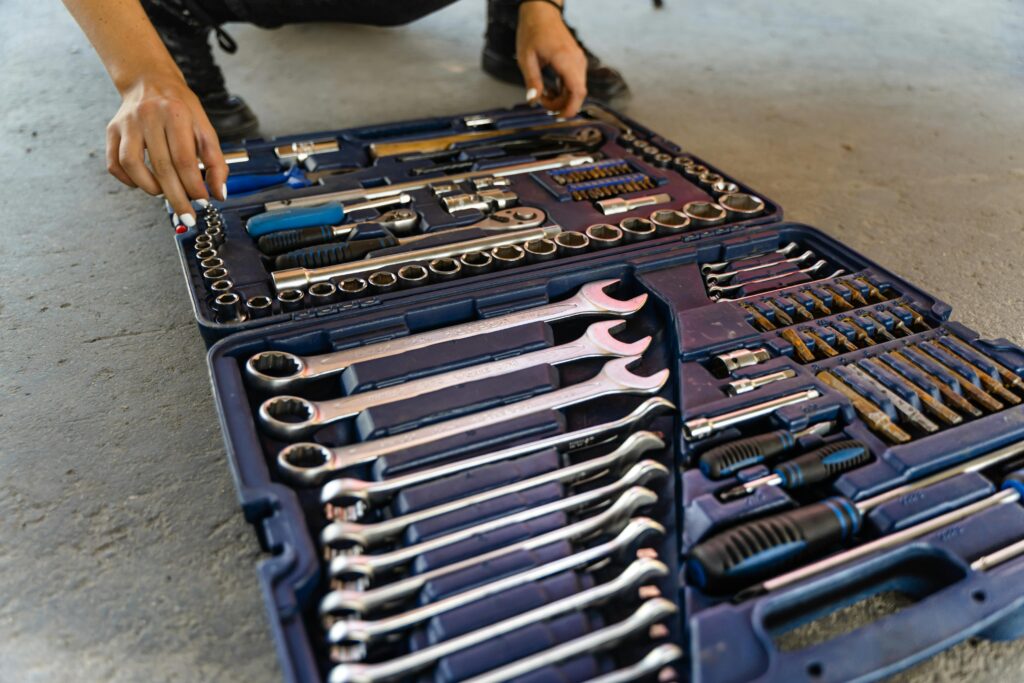
Tools and Materials You’ll Need
Before you begin, gather the following:
- Adjustable spanner or wrench
- Screwdriver set
- Moving blankets or thick towels
- Strong packing tape
- Appliance dolly or trolley
- Protective gloves
- Cardboard sheets (for floor protection)
Learn more about the Essential Materials Require For Moving.
How to Move an Electric Cooker
1. Turn Off the Power Supply
Switch off the cooker at the wall socket or circuit breaker. Unplug the power cable completely before moving the appliance.
2. Disconnect Hard-Wired Cookers
If your cooker is hard-wired (common with built-in electric cookers), it’s best to hire a qualified electrician to disconnect it safely and legally.
3. Clean and Secure the Cooker
- Remove oven shelves, trays, and loose parts
- Tape doors shut to prevent opening during transit
- Wrap the cooker in moving blankets
4. Move the Cooker Safely
Use an appliance dolly to tilt and move the cooker. Avoid dragging it across the floor to prevent damage.
How to Move a Gas Cooker
Important: Gas cookers should only be disconnected by a Gas Safe registered engineer (or equivalent in your country).
1. Shut Off the Gas Supply
The engineer will turn off the gas supply and disconnect the cooker safely.
2. Cap the Gas Line
A gas cap is installed to prevent leaks once the cooker is removed.
3. Secure and Wrap the Cooker
- Remove all detachable parts
- Tape doors and knobs
- Wrap fully with protective padding
4. Transport with Care
Gas cookers are heavier than electric ones. Always use a dolly and at least two people to lift.
Tips for Transporting a Cooker During a Move
- Keep the cooker upright at all times
- Never lay a cooker on its side
- Avoid stacking items on top
- Secure the cooker in the moving vehicle to prevent tipping
- Protect floors and door frames during removal
Reinstalling the Cooker at Your New Home
- Electric cookers: Plug in or reconnect by a qualified electrician
- Gas cookers: Must be reconnected and tested by a Gas Safe engineer
- Check that the cooker is level before use
- Test all functions before cooking
Common Mistakes to Avoid
- Disconnecting a gas cooker yourself
- Forgetting to secure oven doors
- Dragging the cooker across flooring
- Not checking doorway clearance
- Skipping professional reconnection
FAQs
Can I disconnect a gas cooker myself?
No. Gas cookers must be disconnected by a certified gas engineer to comply with safety regulations and avoid leaks.
Can movers disconnect my cooker?
Most moving companies will not disconnect gas or hard-wired electric cookers. Always arrange this separately with a qualified professional.
Should I clean the cooker before moving?
Yes. Cleaning prevents grease buildup, odors, and mess during transport.
How much does it cost to disconnect and reconnect a cooker?
Costs vary by location, but professional gas disconnection and reconnection typically range from moderate to affordable depending on complexity.
Can I transport a cooker lying down?
No. Cookers should always be transported upright to prevent internal damage.
Conclusion
Moving a cooker—whether gas or electric—requires careful planning and the right safety steps. Electric cookers are generally easier to handle, while gas cookers must always be disconnected and reinstalled by a certified professional. By preparing properly, using the right equipment, and avoiding common mistakes, you can move your cooker safely and ensure it works perfectly in your new home.
If you’re unsure at any stage, hiring professionals is always the safest option—your safety and appliance longevity are worth it.