

Introduction
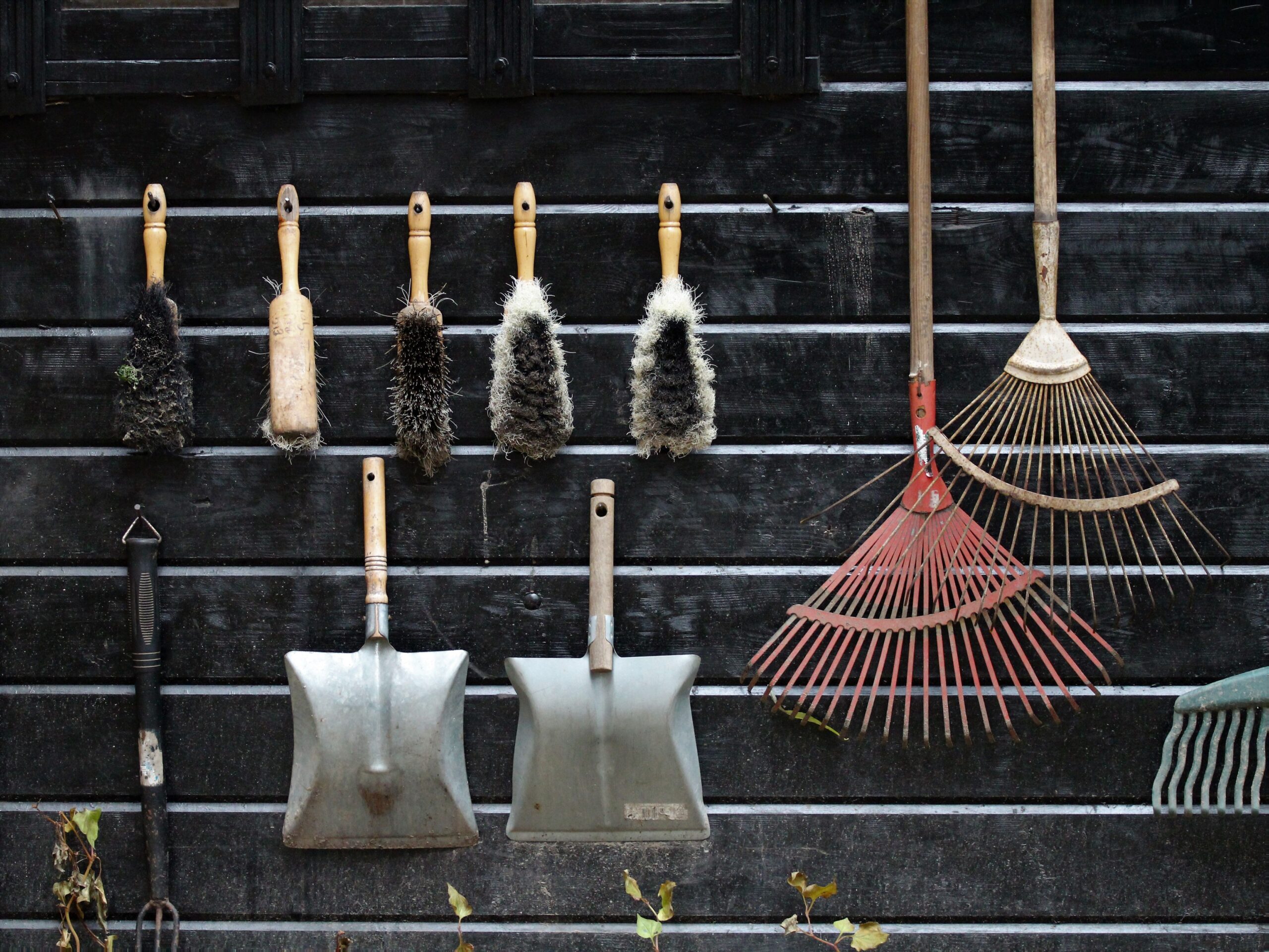
Moving to a new home or relocating your gardening equipment requires proper planning to prevent damage and ensure safety. Garden tools often include sharp edges, long handles, heavy machinery, and delicate equipment that need special care during transportation. By organizing and packing them correctly, you can make the moving process easier while extending the lifespan of your tools.
Why Properly Moving Garden Tools Matters
Garden tools can be expensive to replace. Improper handling may lead to:
- Rust and corrosion
- Broken handles
- Damaged blades
- Injuries during lifting or unpacking
- Lost accessories and small equipment
Taking the time to prepare your tools helps avoid these issues.
Step 1: Sort Your Garden Tools
Before packing, separate your tools into categories:
- Hand tools (trowels, pruners, cultivators)
- Long-handled tools (rakes, shovels, hoes)
- Power equipment (lawn mowers, hedge trimmers, leaf blowers)
- Watering equipment (hoses, sprinklers)
- Pots and gardening accessories
This makes packing and unpacking much easier.
Step 2: Clean Every Tool
Remove dirt, grass, and moisture before packing.
Cleaning helps:
- Prevent rust
- Stop dirt from spreading
- Keep moving boxes clean
- Make tools ready for immediate use after the move
Use a wire brush for stubborn soil and dry everything thoroughly.
Step 3: Sharpen and Protect Metal Parts
Sharpen blades if needed and apply a light coat of machine oil to metal surfaces.
Protect sharp edges by wrapping them with:
- Cardboard
- Bubble wrap
- Thick cloth
- Blade covers
Secure the wrapping with strong tape.
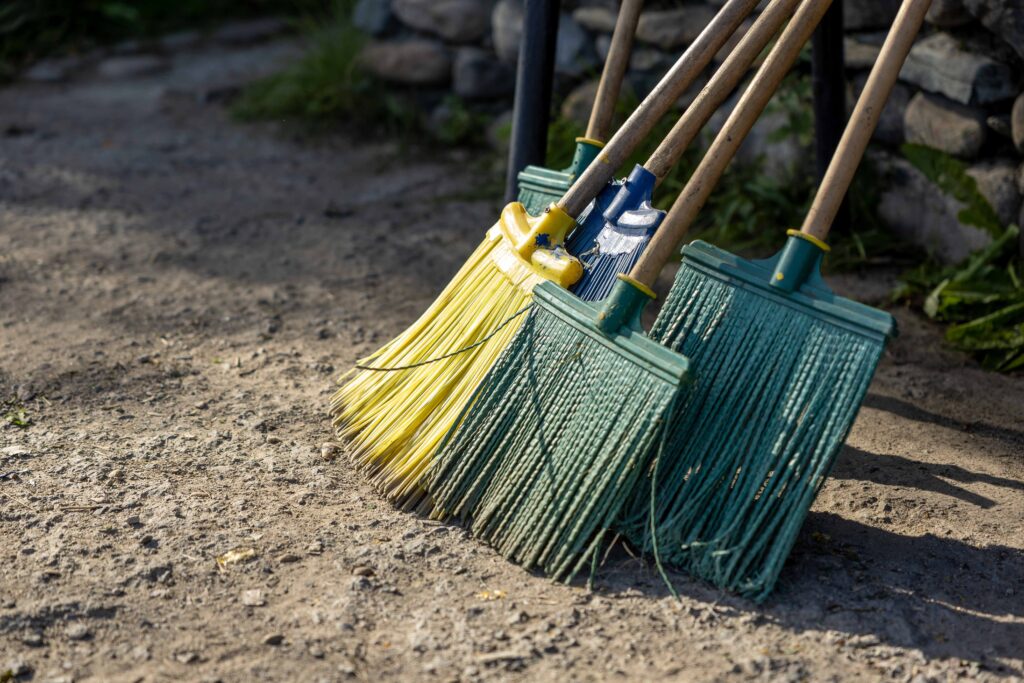
Step 4: Bundle Long-Handled Tools
Group similar tools together using zip ties or rope.
Examples include:
- Shovels
- Rakes
- Brooms
- Hoes
- Garden forks
Keep the handles aligned to make carrying easier.
Step 5: Pack Small Tools Properly
Place small hand tools inside sturdy boxes.
Add:
- Packing paper
- Bubble wrap
- Towels for cushioning
Avoid overloading boxes, especially if the tools are made of steel.
Label each box clearly.
Step 6: Prepare Power Garden Equipment
Power tools require additional preparation.
Lawn Mowers
- Empty fuel tanks
- Drain oil if recommended
- Disconnect batteries
- Clean grass from underneath
Hedge Trimmers
- Cover blades
- Secure moving parts
Chainsaws
- Remove fuel
- Cover the chain
- Store separately if possible
Always follow the manufacturer’s transportation guidelines.
Step 7: Empty Chemicals and Fertilizers
Do not transport leaking containers.
Safely dispose of or securely seal:
- Fertilizers
- Weed killers
- Pesticides
- Insecticides
- Fuel containers
Many moving companies do not transport hazardous materials.
Step 8: Coil Hoses and Cables
Drain all water from hoses before rolling them neatly.
Secure them using:
- Velcro straps
- Rope
- Zip ties
Bundle extension cords separately to prevent tangling.
Step 9: Protect Pots and Planters
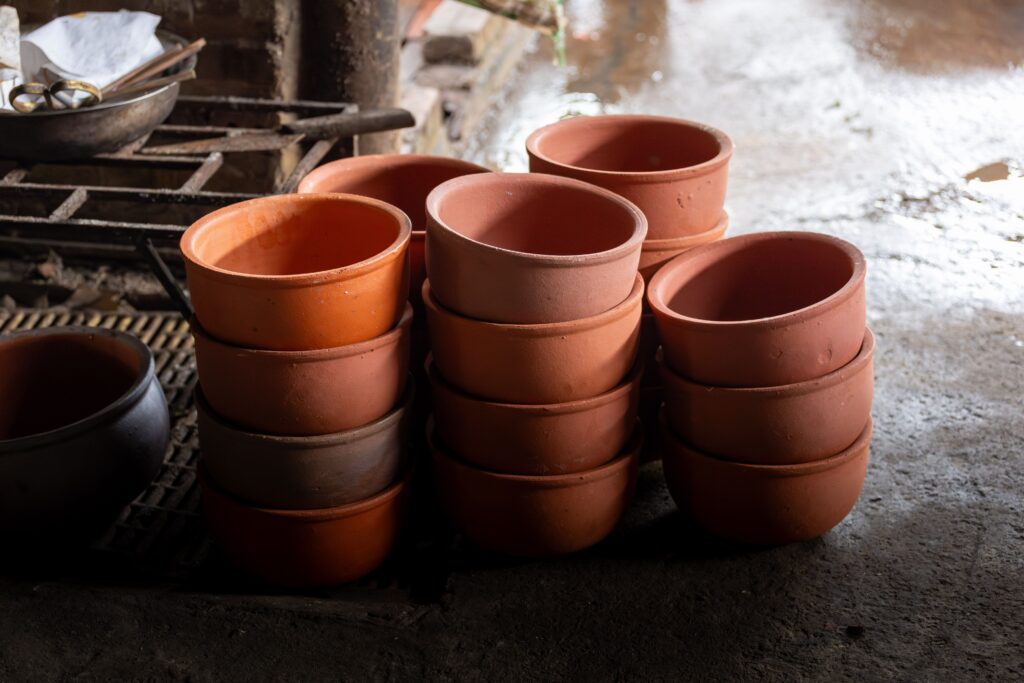
Wrap ceramic and clay pots individually with bubble wrap.
Stack plastic pots together to save space.
Fill empty pots with lightweight gardening supplies such as gloves or seed packets.
Step 10: Load Tools Safely
When loading a moving truck:
- Place heavy equipment on the floor.
- Secure long tools against the wall.
- Keep sharp objects covered.
- Prevent tools from sliding using straps.
- Avoid placing heavy boxes on fragile pots.
Proper loading minimizes movement during transport.
Tips for Organizing Garden Tools After Moving
Once you arrive:
- Install wall hooks for hanging tools.
- Store power equipment in a dry location.
- Use storage bins for small accessories.
- Keep fertilizers separate from hand tools.
- Inspect tools for damage before use.
A well-organized storage area makes gardening more efficient.
Common Mistakes to Avoid
- Packing dirty tools
- Leaving fuel inside equipment
- Mixing sharp tools with household items
- Using weak cardboard boxes
- Forgetting to label boxes
- Overloading containers
- Transporting leaking chemicals
Avoiding these mistakes helps ensure a safe and smooth move.
FAQs
Should I clean garden tools before moving?
Yes. Cleaning removes dirt, moisture, and debris that can cause rust or damage during transportation.
Can movers transport lawn mowers with fuel inside?
Most professional moving companies require fuel tanks to be emptied before transportation due to safety regulations.
How do I pack sharp gardening tools?
Wrap blades with cardboard, cloth, or bubble wrap, then secure them with tape to prevent injuries and damage.
What’s the best way to transport long-handled tools?
Bundle similar tools together using rope or zip ties and secure them upright inside the moving vehicle.
Conclusion
Moving garden tools doesn’t have to be difficult. By cleaning, organizing, and packing each item carefully, you can protect valuable equipment and make the moving process safer and more efficient. Whether you’re relocating a few hand tools or an entire gardening setup, taking the time to prepare properly will help ensure your tools arrive in excellent condition and are ready to use in your new garden.