
Introduction
Moving house can be both exciting and demanding. Whether you’re relocating across town or to a new city, staying organised is essential to reduce stress and avoid last-minute chaos. This ultimate moving house checklist covers everything from planning and preparation to moving day essentials so you’re fully prepared for every step of your move.
1: Plan Ahead and Book Early
• Secure your removal company as soon as your moving date is confirmed — popular dates fill up fast.
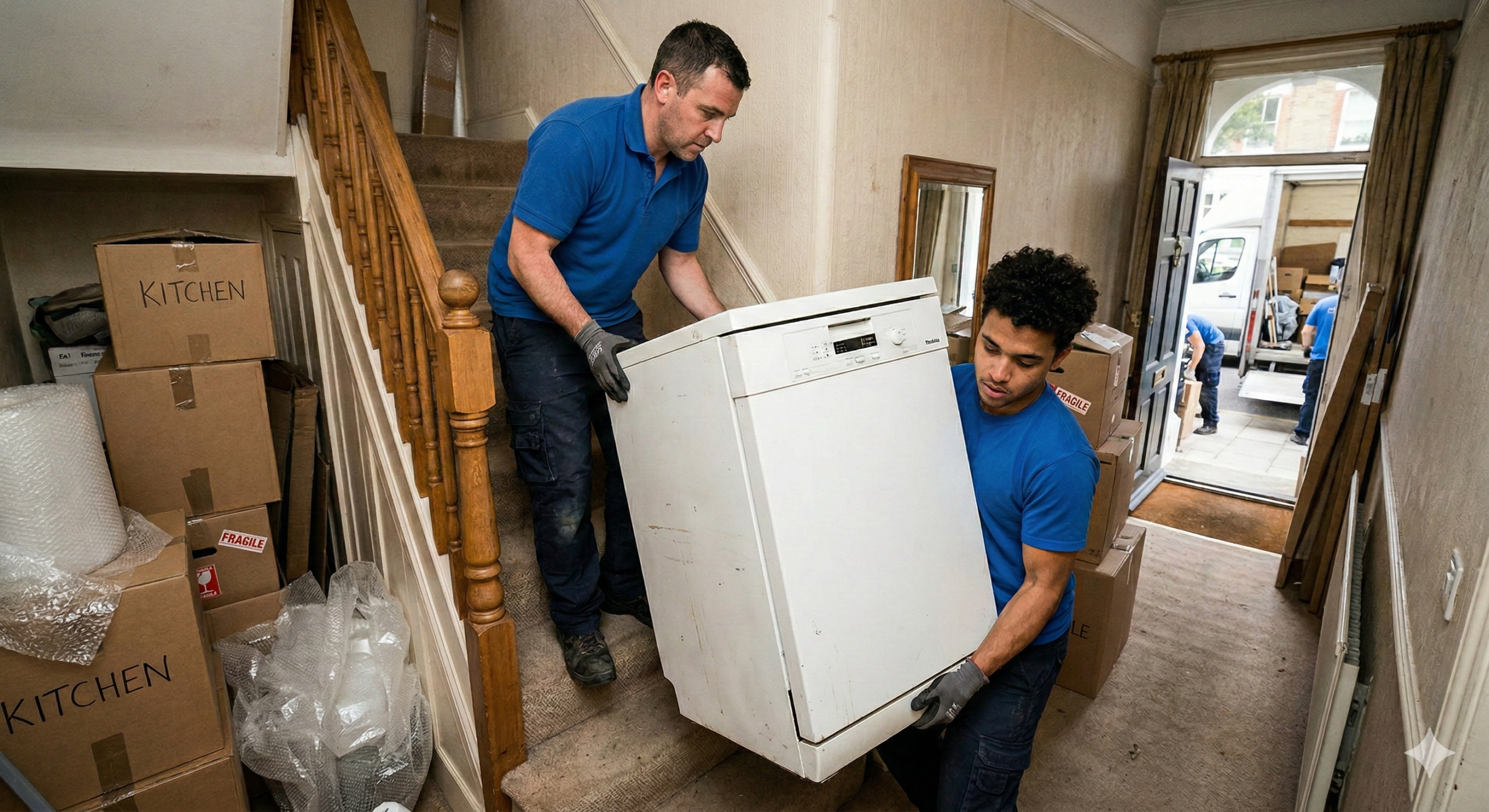
• Check terms and conditions in advance so you know what the removal team expects in terms of access, disconnecting appliances and floor protection.

2: Prepare Your Home for Moving
Access & Protection
- Survey vehicle access — watch out for tight bends, low trees or parking restrictions.
- Protect carpets and floors with extra coverings, especially in muddy weather.
Disconnect & Declutter
- Unplug and prepare electrical appliances and remove wall-mounted fixtures.
- Declutter unwanted items — moving is a perfect time to downsize.
Clear Loft & Outdoor Areas
- Remove items stored in lofts that movers can’t reach due to safety or insurance limits.
- Prepare garden sheds, plants and tools in advance.
3: Furniture & Items Handling
Fix, Disassemble & Pack
- Repair fragile furniture before moving day.
- Disassemble flat-pack furniture and label hardware bags clearly.
- Bundle tools and garden equipment.
Pack Smart
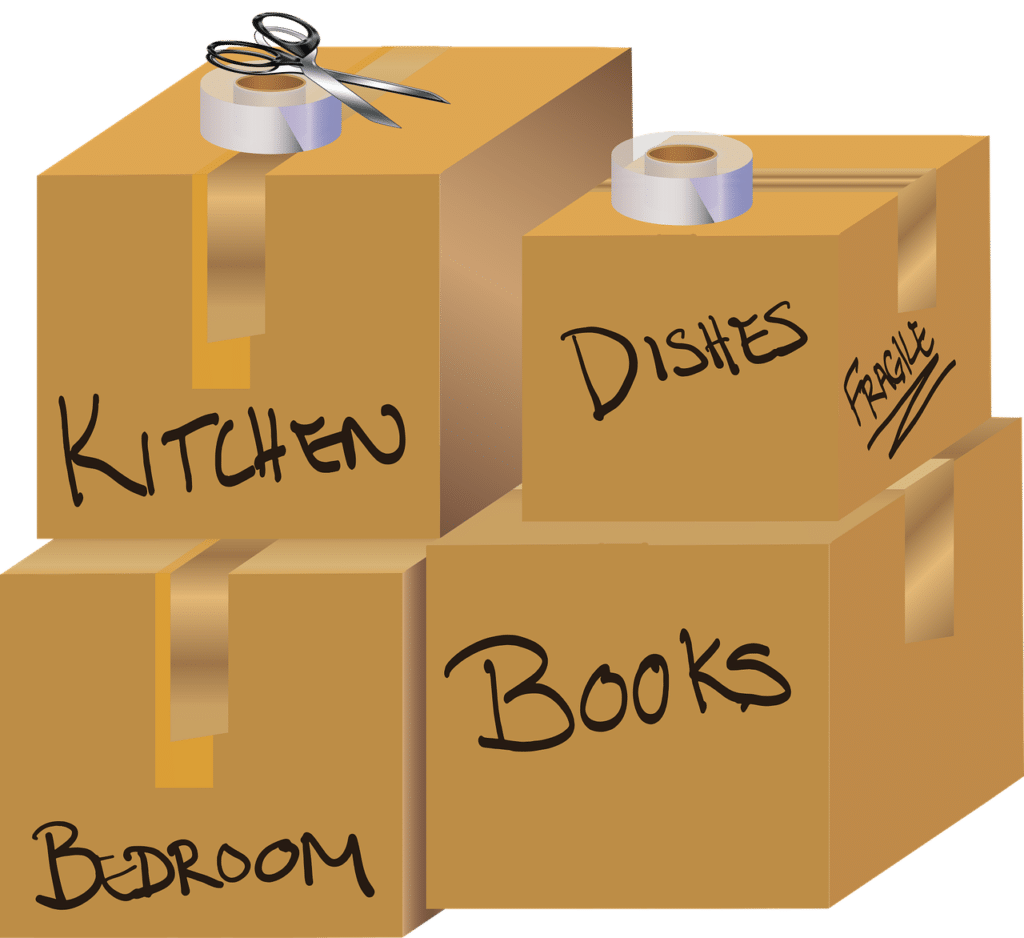
Use proper packing materials and clearly label boxes by room. Save an “essentials box” with first-day necessities such as toiletries, chargers, snacks and basic tools. Packing strategies help reduce stress and speed up unpacking.
4: Moving Day Essentials
Supervise and Coordinate
- Assign someone to manage movers and point out items to be loaded or left behind.
- Keep valuables, important documents and personal essentials with you.
Snacks & Breaks
Don’t forget food and drinks — moving can be busy and tiring for everyone, including children.
5: After You Move In
Unpacking & Settling
- Unpack room by room and prioritise key areas like the kitchen and bedroom.
- Plan grocery deliveries and restock essentials early to ease your first day in the new home.
Address Updates
Update your address with utilities, banks, insurers, government bodies and service providers — this helps avoid missed bills and service interruptions.
Security & Setup
Change locks for security, test smoke and carbon monoxide alarms, and set up internet or utilities as soon as possible.
FAQs
When should I start planning my move?
Start organising at least 6–8 weeks before your moving date. Early preparation helps reduce stress and gives you buffer time for unexpected tasks.
What should I pack last?
Your last-packed items should be essentials you will need immediately at your new home — toiletries, clothes, snacks, documents and basic kitchen items.
Should I declutter before packing?
Yes — decluttering before packing saves time, reduces moving costs and makes settling into your new home easier.
How do I protect my floors and carpets on moving day?
Lay protective coverings on floors and stairs and tape them securely to prevent dirt and damage. Some removal companies provide basic protection; consider extra if needed.
Do I need insurance for my move?
Yes — ensure your goods are adequately insured during transit. Many removal firms offer transit cover but you can also arrange independent moving insurance for added peace of mind.
Conclusion
Moving home doesn’t have to be overwhelming. With the right planning and organisation, you can navigate each step confidently — from booking your removal crew to unpacking at your new address. Use this checklist as your guide to make your move efficient, less stressful, and more enjoyable. Remember, preparation is the key to a successful move!