
Introduction
Packing can be one of the most stressful parts of moving—but it doesn’t have to be. With the right techniques, you can pack boxes efficiently, protect your belongings, and save valuable time on moving day. Whether you’re preparing for a residential move, shipping items, or organizing storage, these seven professional packing tips will help ensure your items arrive safely and intact.
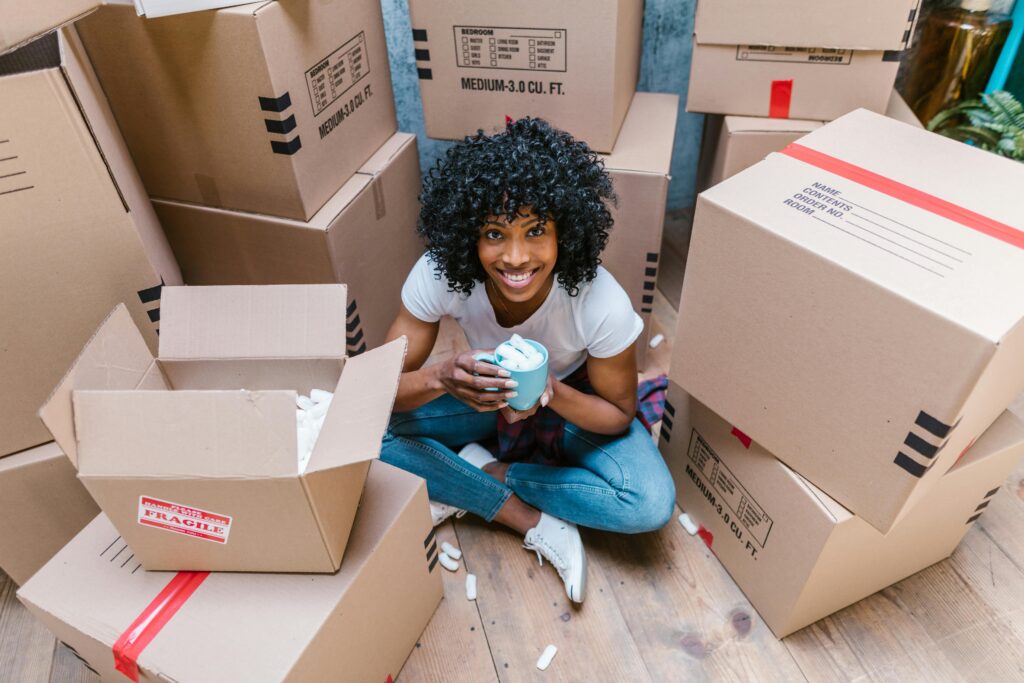
Choose the Right Box Size
Always match the box to the type of item you’re packing.
- Small boxes are ideal for books, tools, canned goods, and heavy objects.
- Medium boxes work well for decor, kitchenware, and small appliances.
- Large boxes should be reserved for light but bulky items like bedding and pillows.
Using the correct box size prevents breakage and makes lifting easier.
Reinforce the Bottom with Quality Tape
One of the top professional packing secrets is reinforcing every box—especially the bottom.
- Use heavy-duty packing tape
- Apply multiple strips in an overlapping “H pattern”
- Don’t forget the edges, which carry most of the weight
Fundamentally, this step ensures your box won’t collapse during transport.
Wrap Fragile Items Properly
Protect delicate items with:
- Bubble wrap
- Packing paper
- Foam sheets
- Towels or soft clothing (for extra cushioning)
Aditionally, wrap fragile pieces individually and add padding at the bottom, sides, and top of the box.
Distribute Weight Evenly
A common moving mistake is placing all heavy items on one side. To pack like a pro:
- Put heavier items at the bottom
- Add lighter items on top
- Keep the box balanced to avoid shifting during transport
Therefore, weight distribution helps prevent damage and makes the box easier to carry.
Fill Empty Spaces to Prevent Shifting
Items shift during transport when the box isn’t full. By using:
- Crumpled packing paper
- Soft clothing
- Foam peanuts
- Towels
Filling gaps ensures your items stay secure and tightly packed.
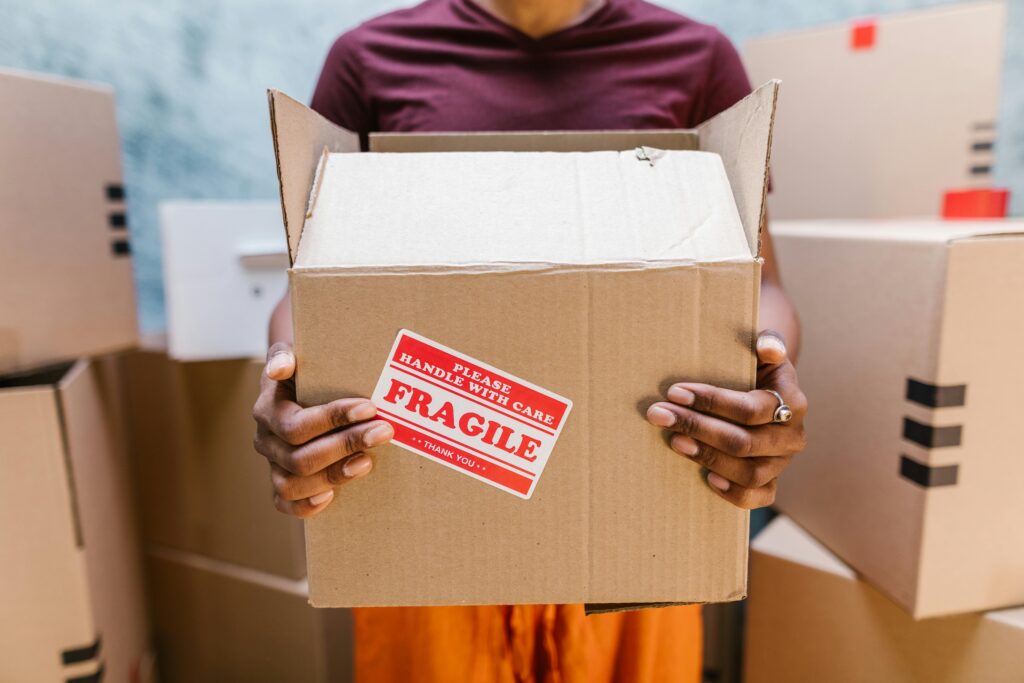
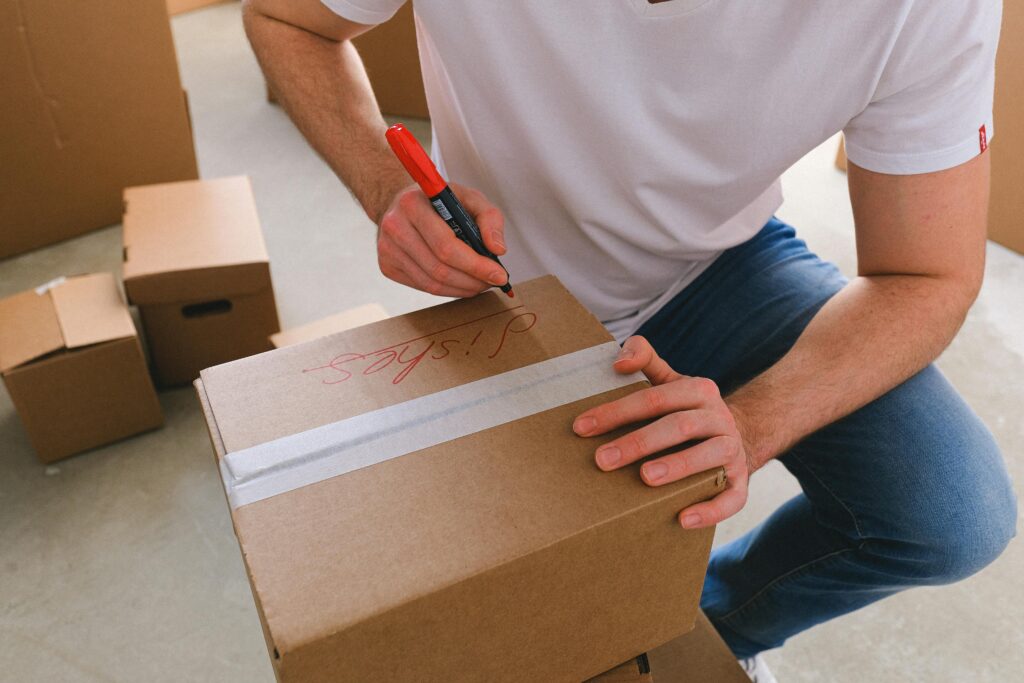
Label Every Box Clearly
Professional movers never skip this step. Label each box with:
- Room name
- Contents
- “Fragile” or “This Side Up” where necessary
This speeds up unpacking and helps movers handle your belongings safely.
Learn more about How to pack dishes and glasses for moving?
Seal the Box Properly
To finish packing like a pro:
- Seal the top using the reinforced “H pattern”
- Ensure edges are completely covered
- Add an extra strip if the box is heavy
A properly sealed box keeps dust, moisture, and damage away.
FAQs
What items should always go in small boxes?
Heavy items like books, tools, and canned goods should always be packed in small boxes to avoid overloading.
How do I keep fragile items from breaking?
Wrap each item individually, add padding around all sides, and fill the empty spaces to prevent movement.
Can I reuse old boxes?
Yes, but ensure they’re clean, sturdy, and free of moisture or tears before using them again.
What is the strongest way to tape a box?
The “H pattern” using three pieces of packing tape (center and both edges) reinforces both the top and bottom.
Should I label boxes on one side or multiple sides?
Label at least two sides and the top to make it easier to identify during stacking and unpacking.
Conclusion
Packing doesn’t have to be overwhelming. By using the right techniques—choosing the correct box size, wrapping items properly, and labeling clearly—you can pack a box like a professional and protect your belongings throughout any move. Follow these 7 tips and enjoy a smoother, safer, and more organized moving experience.