


Introduction
Moving to a new home is exciting, but when you own musical instruments, it adds an extra layer of responsibility. Instruments are often delicate, valuable, and sensitive to environmental changes. Whether you’re relocating locally or across long distances, knowing how to properly pack and transport your instruments can prevent costly damage and preserve their sound quality.
This guide walks you through everything you need to know about packing and moving musical instruments safely and efficiently.
Why Proper Packing Matters for Musical Instruments
Musical instruments are not just expensive—they’re often deeply personal and sometimes irreplaceable. Temperature fluctuations, humidity, pressure, and physical shocks during transit can all cause damage such as cracks, warping, or detuning.
Proper packing ensures:
- Protection from physical impact
- Stability against climate changes
- Preservation of sound quality and structure
General Packing Tips for All Instruments
Before diving into instrument-specific advice, here are some universal tips:
Clean Your Instrument
Dust and debris can cause scratches during movement. Clean your instrument thoroughly before packing.
Use Original Cases Whenever Possible
Hard-shell cases are ideal as they provide maximum protection. If you no longer have the original case, invest in a high-quality alternative.
Loosen Strings
For string instruments, slightly loosen the strings to relieve tension caused by temperature changes.
Add Padding
Use bubble wrap, foam, or soft cloth inside the case to prevent movement.
Label Clearly
Mark boxes as “Fragile” and “This Side Up” to ensure careful handling.
How to Pack Different Types of Musical Instruments
String Instruments (Guitars, Violins, Cellos)
- Loosen strings slightly
- Wrap the instrument in a soft cloth
- Secure inside a hard case
- Fill empty spaces with padding
- Place the case in a sturdy box for extra protection
Keyboard Instruments (Pianos, Keyboards)
- For keyboards: remove batteries and cables, wrap in anti-static material
- For upright or grand pianos: hire professional movers
- Secure the lid and wrap with moving blankets
- Avoid moving pianos yourself due to weight and complexity
Wind Instruments (Flutes, Clarinets, Trumpets)
- Disassemble carefully
- Clean and dry thoroughly
- Store each piece in its designated slot in the case
- Add padding if needed to prevent shifting
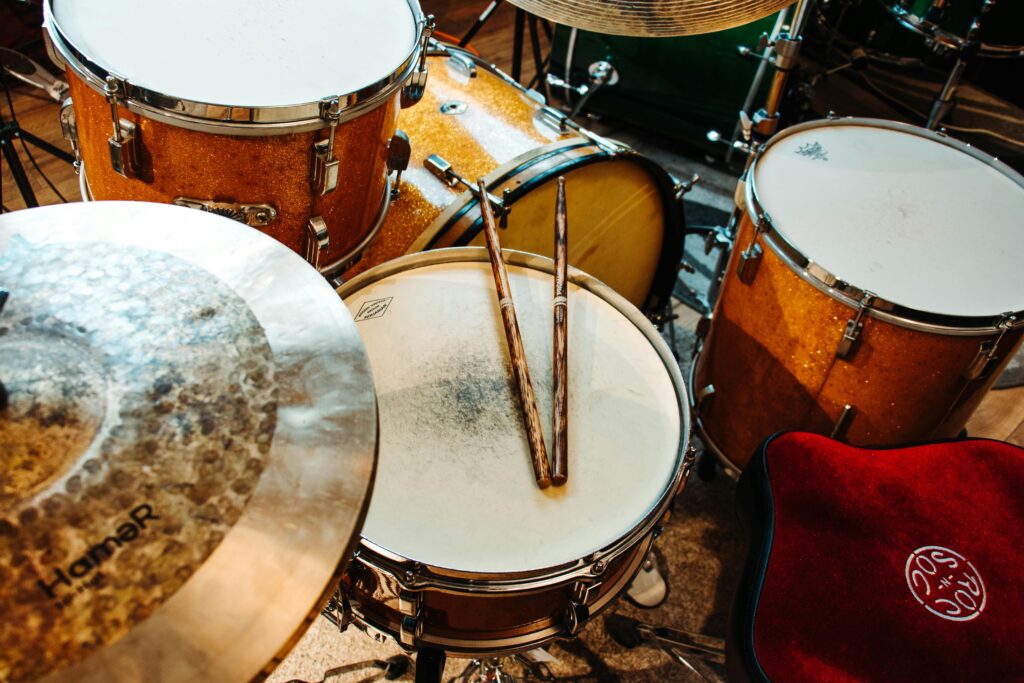
Percussion Instruments (Drums, Cymbals)
- Disassemble drum kits
- Wrap each drum individually
- Use padded cases for cymbals
- Keep hardware in labeled bags
Climate and Transportation Considerations
Temperature Control
Extreme heat or cold can damage instruments. Avoid leaving them in moving trucks for extended periods.
Humidity Protection
Use silica gel packs or humidity control products inside cases to prevent moisture damage.
Transporting by Car vs. Moving Truck
If possible, transport smaller or valuable instruments in your personal vehicle where you can control the environment.
When to Hire Professional Movers
For large, fragile, or high-value instruments (like pianos or harps), hiring professionals is often the safest option. Specialized movers have the equipment and expertise needed to handle these items securely
Common Mistakes to Avoid
- Packing instruments without cases
- Forgetting to loosen strings
- Using low-quality packing materials
- Exposing instruments to extreme weather
- Attempting to move large instruments alone
FAQs
Should I tune my instrument before or after the move?
Always tune your instrument after the move. Environmental changes during transport can affect tuning.
Can I pack multiple instruments in one box?
It’s not recommended. Each instrument should be packed individually to avoid damage.
Is it safe to move a piano by myself?
No, moving a piano requires specialized equipment and expertise. Always hire professionals.
How do I protect instruments from humidity?
Use humidity control packs or silica gel inside the case to maintain stable moisture levels.
What is the best way to transport small instruments?
Carry them in your personal vehicle to maintain control over temperature and handling.
Conclusion
Packing and moving musical instruments requires careful planning, the right materials, and attention to detail. From loosening strings to controlling temperature and using proper cases, each step plays a crucial role in ensuring your instruments arrive safely.
When in doubt, especially for large or valuable items, investing in professional movers can save you from costly repairs and emotional loss. By following these best practices, you can focus on settling into your new space—ready to make music again without missing a beat.