

Introduction
Garden tables and chairs are essential outdoor furniture pieces that enhance comfort and style in any outdoor space. Whether you are relocating to a new home, redesigning your garden, or placing furniture into seasonal storage, moving these items correctly is crucial to prevent damage and ensure safety.
In this guide, we’ll explain the best methods for moving garden tables and chairs, including preparation, packing, transportation, and storage tips.
Why Properly Moving Garden Furniture Matters
Outdoor furniture is often exposed to weather conditions, making some pieces susceptible to wear and tear. Improper handling during a move can result in:
- Scratches and dents
- Broken legs or frames
- Torn cushions and fabric
- Rust or moisture damage
- Personal injury from improper lifting
Taking the right precautions helps preserve your furniture’s condition and extends its lifespan.
Step 1: Clean the Furniture Before Moving
Before moving garden tables and chairs, thoroughly clean them to remove dirt, dust, leaves, and debris.
Wooden Furniture
- Wipe surfaces with a damp cloth.
- Allow the furniture to dry completely.
- Apply a protective wood treatment if necessary.
Metal Furniture
- Remove rust spots.
- Clean with mild soap and water.
- Dry thoroughly to prevent corrosion.
Plastic Furniture
- Wash with warm water and detergent.
- Inspect for cracks or weak areas.
Cushions
- Remove covers if possible.
- Wash and dry completely before packing.
Step 2: Disassemble Furniture When Possible
Many garden tables and chairs are designed for easy assembly and disassembly.
Benefits of Disassembly
- Easier transportation
- Reduced risk of damage
- More efficient use of vehicle space
Remove:
- Table legs
- Chair legs (if detachable)
- Glass tabletops
- Umbrellas and accessories
Place screws, bolts, and small fittings in labeled bags to prevent loss.
Step 3: Protect the Furniture Properly
Proper protection is essential during transportation.
Recommended Packing Materials
- Furniture blankets
- Bubble wrap
- Stretch wrap
- Cardboard corner protectors
- Packing tape
Protecting Different Materials
Wooden Furniture
Wrap with furniture blankets to prevent scratches.
Metal Furniture
Use padding around sharp edges and corners.
Glass Tabletops
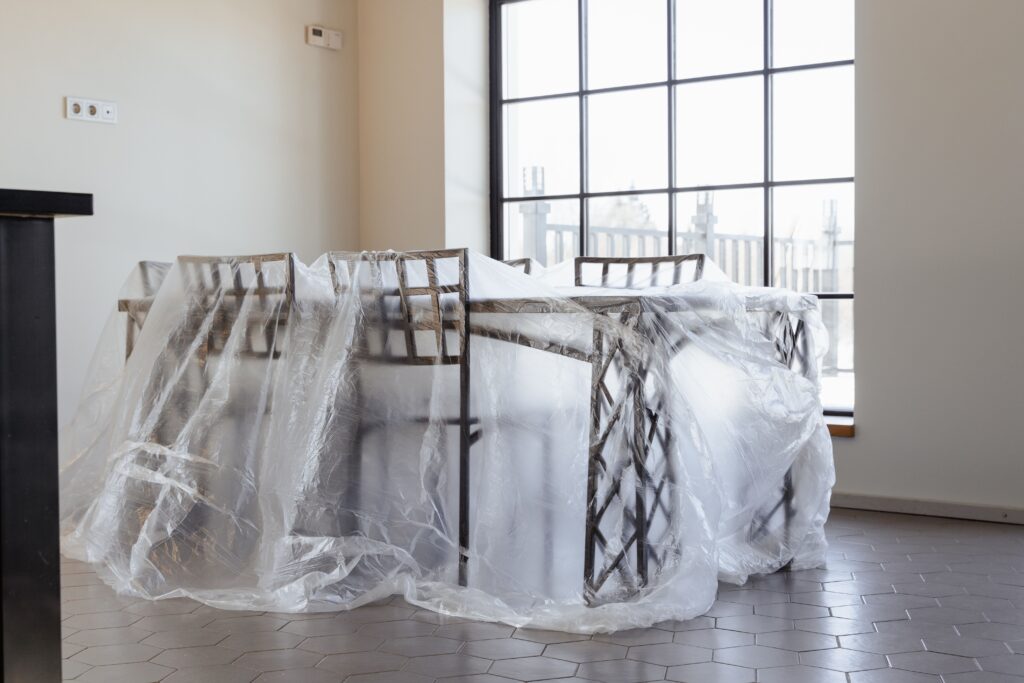
Wrap with multiple layers of bubble wrap and secure inside a sturdy box.
Cushions
Store in waterproof bags to keep them clean and dry.
Step 4: Use Safe Lifting Techniques
Garden furniture can be heavier than it appears, especially tables made from hardwood, stone, or metal.
Safe Lifting Tips
- Bend your knees, not your back.
- Keep the furniture close to your body.
- Lift with your legs.
- Avoid twisting while carrying.
- Ask for assistance with large items.
For particularly heavy pieces, use furniture dollies or moving trolleys.
Step 5: Load Furniture Carefully
When loading garden tables and chairs into a moving vehicle:
Place Heavy Items First
Position larger tables at the bottom and toward the front of the vehicle.
Secure Everything
Use straps and ropes to prevent shifting during transport.
Avoid Stacking Heavy Objects
Never place heavy items on top of chairs or glass surfaces.
Fill Empty Spaces
Use blankets or soft materials to reduce movement during transit.
Step 6: Transport with Care
Drive carefully, especially on uneven roads.
Transportation Best Practices
- Avoid sudden braking.
- Take corners slowly.
- Check straps periodically during long journeys.
- Protect furniture from rain using waterproof covers.
Step 7: Store Garden Furniture Correctly
If you are moving furniture into storage, choose a clean and dry environment.
Storage Tips
- Keep furniture elevated from the floor.
- Cover items with breathable furniture covers.
- Avoid damp or humid locations.
- Store cushions separately in sealed containers.
Proper storage helps prevent mould, rust, and weather-related damage.
Common Mistakes to Avoid
Many homeowners unintentionally damage outdoor furniture during relocation.
Avoid these common mistakes:
- Moving furniture without cleaning it first.
- Forgetting to remove detachable parts.
- Using inadequate protective materials.
- Lifting heavy items alone.
- Leaving furniture exposed to rain during transport.
- Misplacing screws and fittings.
Professional Furniture Moving Services
For large patio sets, premium outdoor furniture, or long-distance moves, hiring professional movers can save time and reduce the risk of damage.
Professional movers have:
- Specialized equipment
- Protective packing materials
- Experience handling bulky outdoor furniture
- Insurance coverage for added peace of mind
FAQs
How do I move a heavy garden table?
Disassemble the table if possible, remove the legs, and use a furniture dolly. Always lift with proper technique and seek assistance for heavier items.
Should I wrap outdoor furniture when moving?
Yes. Wrapping furniture with moving blankets, bubble wrap, or protective covers helps prevent scratches, dents, and weather damage.
Can garden furniture be left outside during a move?
It is best to avoid leaving furniture exposed to rain, excessive sunlight, or strong winds during the moving process.
How do I protect glass garden tables?
Remove the glass top, wrap it in several layers of bubble wrap, and transport it upright whenever possible.
Conclusion
Moving garden tables and chairs requires careful planning, proper packing, and safe handling techniques. By cleaning furniture beforehand, disassembling components where possible, using quality protective materials, and loading items securely, you can minimize the risk of damage and make the relocation process much smoother. Whether you’re moving furniture across the garden, into storage, or to a new home, following these best practices will help keep your outdoor furniture in excellent condition for years to come.