

Introduction
Glass cabinets and glass shelving units add elegance and functionality to any home or office. However, moving them can be challenging due to their fragile nature. Improper handling can lead to cracked glass, damaged frames, or even personal injury. Whether you’re relocating to a new home or simply rearranging furniture, following the right steps can help ensure your glass cabinet arrives safely at its destination.
Why Glass Cabinets Require Special Care
Unlike standard furniture, glass cabinets contain delicate components that can easily break under pressure, impact, or improper lifting techniques. Glass shelves, doors, and side panels are particularly vulnerable during transportation. Taking preventive measures can save you from costly repairs or replacements.
Tools and Materials You’ll Need
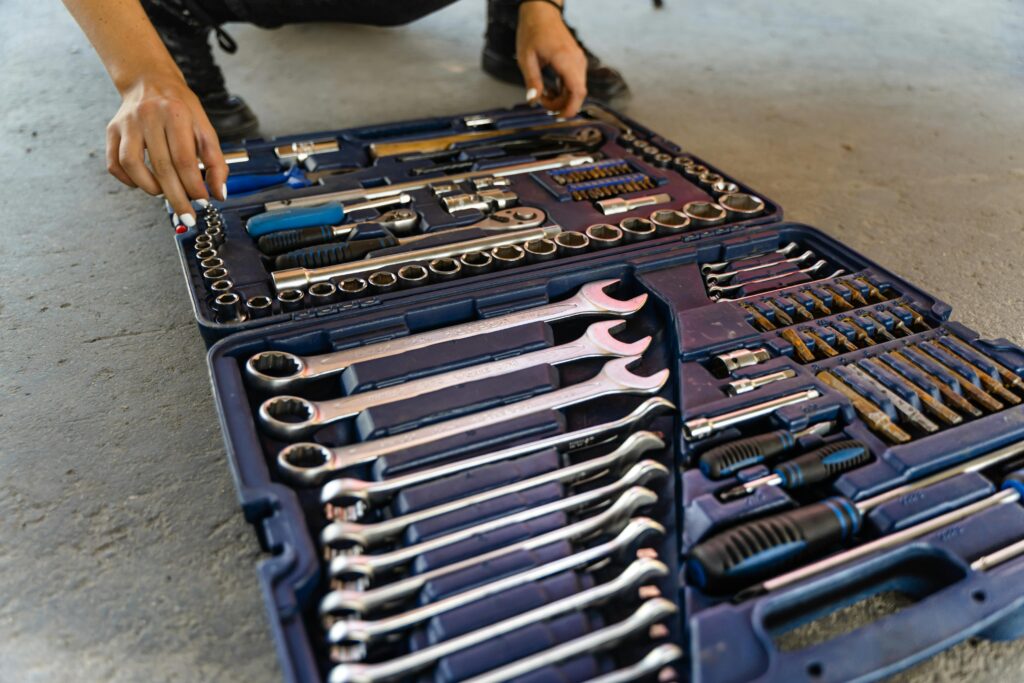
Before moving your glass cabinet, gather the following supplies:
- Moving blankets
- Bubble wrap
- Packing tape
- Cardboard sheets
- Stretch wrap
- Furniture dolly
- Protective gloves
- Corner protectors
- Labels marked “Fragile”
Having these materials ready will make the moving process much safer and more efficient.
Step 1: Empty the Cabinet Completely
Remove all items stored inside the cabinet, including decorations, dishes, books, or collectibles. Even lightweight objects can shift during movement and cause damage to the glass.
Check all compartments carefully to ensure nothing remains inside before proceeding.
Step 2: Remove Glass Shelves If Possible
If your cabinet has removable glass shelves:
- Carefully lift each shelf out of its supports.
- Wrap each shelf individually with bubble wrap.
- Place cardboard sheets on both sides for added protection.
- Secure the wrapping with packing tape.
- Label each package as “Fragile.”
Transporting shelves separately significantly reduces the risk of breakage.
Step 3: Secure Doors and Fixed Glass Panels
For cabinets with glass doors or fixed glass sections:
- Close all doors securely.
- Use painter’s tape in an “X” pattern across glass surfaces.
- Apply stretch wrap around the cabinet to keep doors from opening.
- Cover glass panels with cardboard sheets for additional protection.
This extra layer of security helps minimize damage if the cabinet experiences minor impacts during transport.
Step 4: Wrap the Entire Cabinet
Cover the entire cabinet with moving blankets and secure them with stretch wrap or tape.
Pay special attention to:
- Corners
- Edges
- Glass surfaces
- Decorative trim
The protective layers act as a cushion against bumps and scratches.
Step 5: Lift the Cabinet Properly
Always lift from the cabinet’s solid frame rather than glass components.
Important lifting tips:
- Use at least two people for medium or large cabinets.
- Bend your knees and lift with your legs.
- Keep the cabinet upright whenever possible.
- Avoid twisting while carrying.
Improper lifting techniques can damage both the furniture and the movers.
Step 6: Use a Furniture Dolly
A furniture dolly can greatly reduce physical strain and improve safety.
When using a dolly:
- Secure the cabinet with moving straps.
- Move slowly over uneven surfaces.
- Keep one person guiding the cabinet at all times.
This method is especially useful for long-distance moves or heavy display cabinets.
Step 7: Transport the Cabinet Carefully
During transportation:
- Keep the cabinet upright.
- Secure it against the wall of the moving vehicle.
- Use straps to prevent shifting.
- Avoid placing heavy items against the cabinet.
Sudden movement inside a truck can place excessive stress on glass panels.
Common Mistakes to Avoid
Many accidents occur due to avoidable mistakes, including:
- Dragging the cabinet across the floor
- Leaving shelves inside during transport
- Carrying the cabinet by the doors
- Laying the cabinet flat without manufacturer approval
- Failing to secure loose parts
Avoiding these errors can significantly reduce the risk of damage.
Tips for Moving Glass Shelves Separately
If you’re transporting glass shelves on their own:
- Store them vertically rather than flat.
- Use thick padding between shelves.
- Secure them tightly to prevent movement.
- Keep them away from heavy objects.
Vertical storage often reduces pressure points that can lead to cracking.
When to Hire Professional Movers
Consider hiring professionals if:
- The cabinet is extremely large or heavy.
- It contains custom or antique glass.
- The move involves stairs or narrow hallways.
- The furniture has significant monetary or sentimental value.
Professional movers have specialized equipment and experience handling fragile items safely.
FAQs
Should glass shelves be moved separately?
Yes. Removing and packing glass shelves separately is the safest option and significantly reduces the chance of breakage.
Can I move a glass cabinet by myself?
Small cabinets may be manageable, but most glass cabinets should be moved by at least two people to ensure safety.
Should a glass cabinet be transported upright or flat?
In most cases, glass cabinets should remain upright during transportation unless the manufacturer specifically recommends otherwise.
Conclusion
Moving a glass cabinet or glass shelf requires preparation, patience, and careful handling. By removing shelves, securing glass panels, using proper packing materials, and lifting correctly, you can greatly reduce the risk of breakage. Whether you’re moving across a room or across the country, taking the right precautions will help keep your glass furniture safe and intact throughout the journey.