


Introduction
Life doesn’t always give us the luxury of planning ahead. Whether it’s a sudden job transfer, an unexpected lease expiration, family circumstances, or a personal emergency, last-minute moves can happen to anyone. While moving on short notice can feel overwhelming, staying organized and focusing on priorities can help you navigate the process efficiently.
This survival guide will walk you through essential steps to make a last-minute move as smooth and stress-free as possible.
1. Stay Calm and Create a Quick Plan
The first reaction to a sudden move is often panic. However, taking a few moments to create a basic action plan can save valuable time later.
Start by making a checklist that includes:
- Booking movers or rental trucks
- Gathering packing supplies
- Sorting belongings
- Updating your address
- Scheduling utility transfers
- Cleaning your current residence
Focus on urgent tasks first and tackle them one at a time.
2. Prioritize Essentials
When time is limited, not everything needs to be packed immediately.
Create three categories:
Pack Now
Items you’ll need right away, including:
- Important documents
- Medications
- Chargers
- Basic clothing
- Toiletries
Pack Later
Items that are important but not immediately necessary.
Donate, Sell, or Discard
Moving is an excellent opportunity to reduce clutter. The fewer items you move, the faster and cheaper the process becomes.
3. Gather Packing Supplies Quickly
You don’t need premium moving supplies to get started.
Useful materials include:
- Cardboard boxes
- Trash bags
- Suitcases
- Laundry baskets
- Plastic storage bins
- Packing tape
- Markers
Local stores, supermarkets, and community groups often have free boxes available.

4. Pack Smart, Not Perfect
During a last-minute move, efficiency matters more than perfection.
Consider these packing shortcuts:
- Leave clothes on hangers and cover them with garbage bags.
- Pack drawers as they are when possible.
- Use towels and blankets to protect fragile items.
- Store small items inside larger containers.
Label boxes clearly with both contents and destination rooms to simplify unpacking.
5. Hire Help If Possible
Professional movers can dramatically reduce stress during an emergency move. If movers aren’t available, consider:
- Friends and family assistance
- Local labor services
- Moving apps that connect users with helpers
Even a few extra hands can save hours of work.
6. Notify Important Contacts
One commonly overlooked task is updating your information.
Be sure to notify:
- Banks
- Employers
- Insurance providers
- Subscription services
- Government agencies
- Healthcare providers
Set up mail forwarding to avoid missing important correspondence.
7. Transfer Utilities Early
Arrange utility changes as soon as your move date is confirmed.
Services to update include:
- Electricity
- Gas
- Water
- Internet
- Cable
- Security systems
Early scheduling helps prevent service interruptions at your new home.
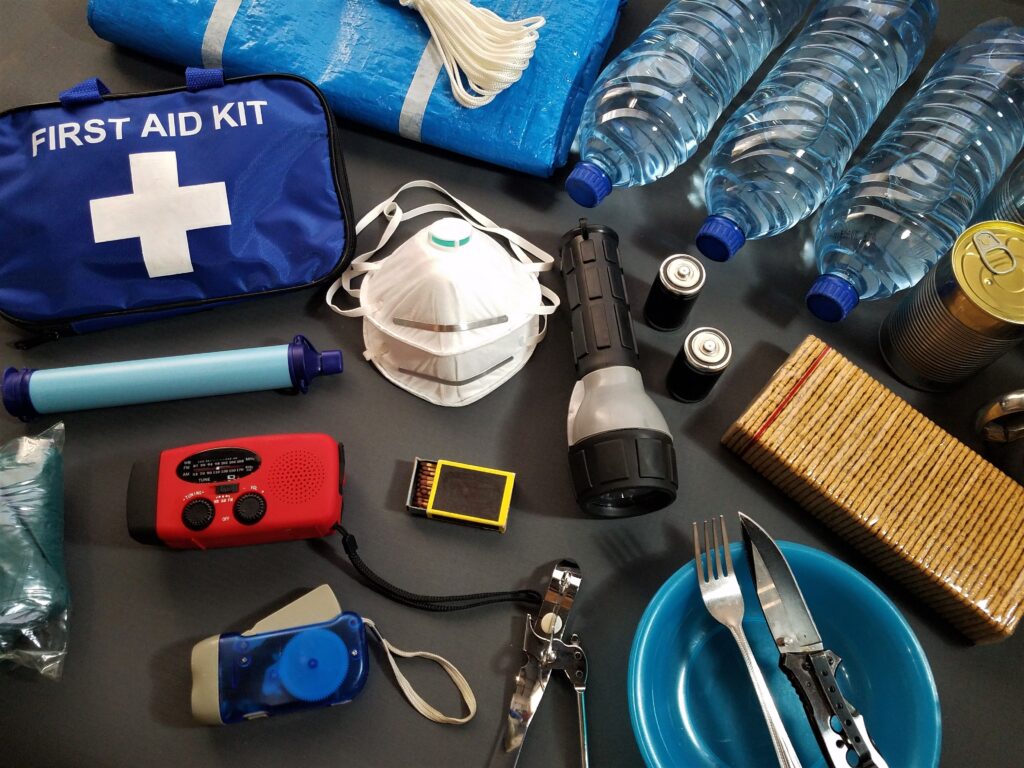
8. Prepare an Emergency Moving Kit
Keep a separate bag with essentials you’ll need during the first 24–48 hours.
Include:
- Identification documents
- Medications
- Phone chargers
- Snacks and water
- Basic toiletries
- Change of clothes
- Pet supplies if applicable
Having these items accessible prevents unnecessary frustration after arrival.
9. Clean Strategically
If you’re short on time, focus on high-impact cleaning areas:
- Kitchen surfaces
- Bathrooms
- Floors
- Cabinets
- Appliances
Consider hiring a professional cleaning service if your schedule allows.
10. Give Yourself Time to Settle In
Once you’ve arrived, resist the urge to unpack everything immediately.
Start with:
- Bedroom essentials
- Bathroom necessities
- Kitchen basics
- Work or study areas
A gradual approach helps reduce stress and creates a more organized transition.
FAQs
What should I pack first during a last-minute move?
Pack important documents, medications, electronics, chargers, toiletries, and a few days’ worth of clothing. These items should remain easily accessible throughout the move.
How do I reduce moving costs on short notice?
Reduce the number of items you move, use free packing materials, compare moving quotes, and consider renting a truck instead of hiring a full-service moving company.
Is it possible to organize a move in one day?
While challenging, it is possible for smaller households. Focus on essentials, use available containers instead of searching for perfect packing supplies, and recruit help whenever possible.
Conclusion
A last-minute move can feel overwhelming, but it doesn’t have to become a disaster. By staying focused, prioritizing essentials, packing efficiently, and seeking help when needed, you can successfully navigate even the most unexpected relocation. Remember that perfection isn’t the goal—getting settled safely and efficiently is. With the right mindset and a practical plan, you’ll be unpacking in your new home sooner than you think.